A conversation about American memory, the Black Hills, and telling the truth.
This is a conversation with writer Matthew Davis about Mount Rushmore and the story beneath it. What begins as a discussion of a monument turns into something more personal and more complicated. We talk about the Black Hills, the Lakota, broken treaties, and the way history keeps showing up in the present whether we’re comfortable with it or not. Matthew isn’t trying to argue a point. He’s trying to tell the story as fully as he can. And in doing that, a harder question comes up.
Why do some of us resist hearing parts of our own history at all?
Refresh Page for Podcast
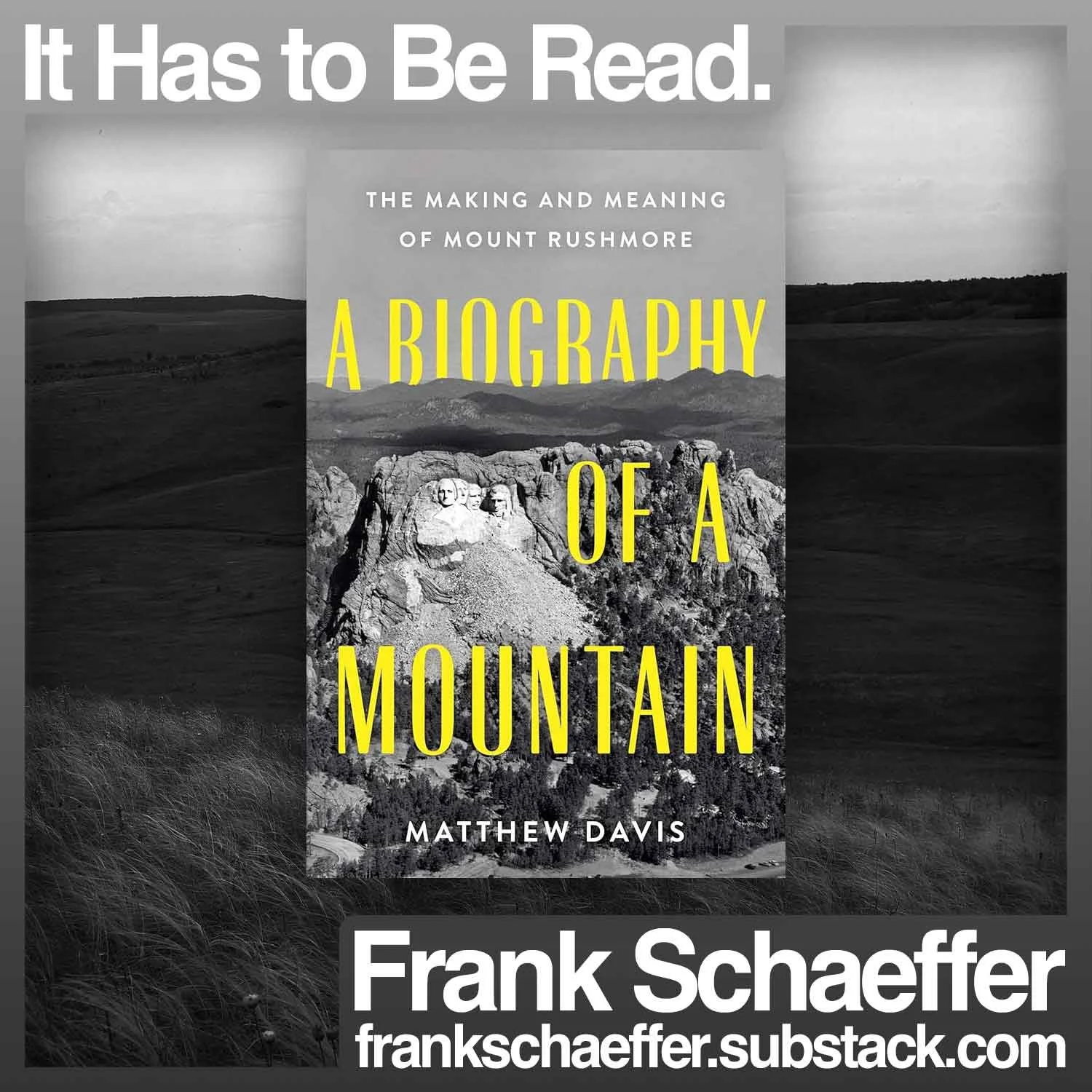
Shop the “It Has to Be Read.” Book Club List: https://bookshop.org/shop/frankschaeffer
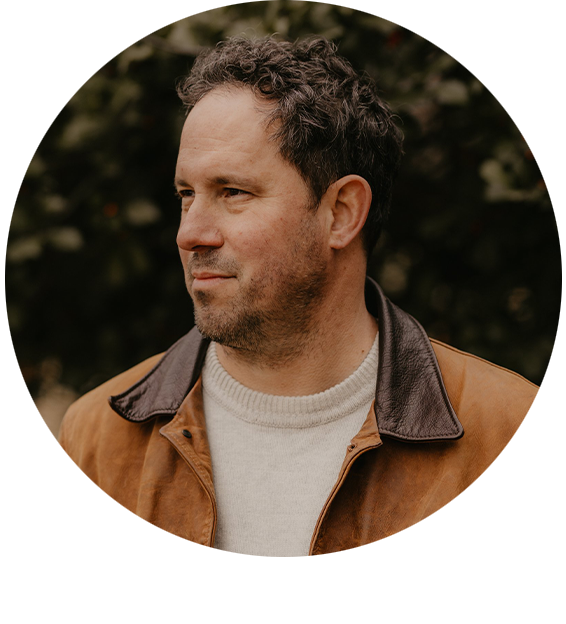
Matt is the author of When Things Get Dark: A Mongolian Winter’s Tale and the first English-language children’s book published in Mongolia, The Magic Horse Fiddle. Matt’s long-form journalism and essays have appeared in the Atlantic, the New Yorker, the LA Review of Books, and Guernica, among other places.
He has received support for his work from the Fulbright Program as a Fulbright Fellow in Creative Writing to Syria and Jordan; from the Black Mountain Institute at the University of Nevada-Las Vegas as a Tom and Mary Gallagher Fellow; and from New America in Washington, D.C. as an Eric Schmidt Fellow.
He graduated from the University of Missouri with a degree in Magazine Journalism, from the University of Iowa with an MFA in Nonfiction Writing, and from the Johns Hopkins School of Advanced International Studies in Washington, D.C with an MA in International Relations and International Economics.
In 2016, Matt founded and directed the Cheuse Center for International Writers at George Mason University, the only international literary diplomatic center in the Mid-Atlantic. You can read more about his work in cultural and literary diplomacy here.
Born in Chicago, Matt grew up in Evanston, Illinois, and most of his creative projects feature cultures and places different from his upbringing. He has written about and reported on the history of Mongolia, the Arab Spring in the Middle East, and the changing nature of deaf identity through the only deaf college football team in the United States.