



Season 6
Events


















In Conversation… with Frank Schaeffer
is a production of The George Bailey Morality in Public Life Fellowship
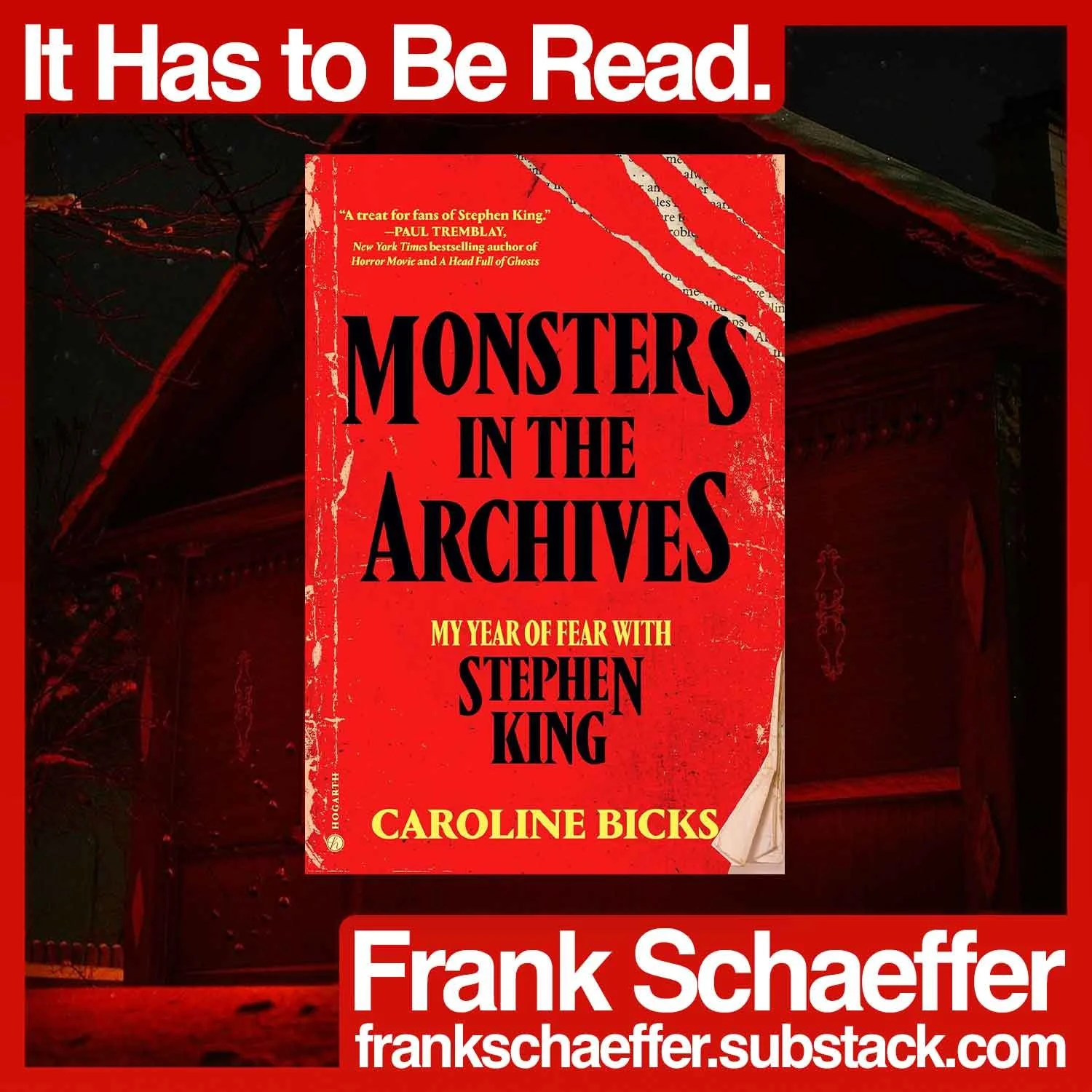
Frank Schaeffer In Conversation with Caroline Bicks, exploring her work and the themes of her book, Monsters in the Archives: My Year of Fear with Stephen King.
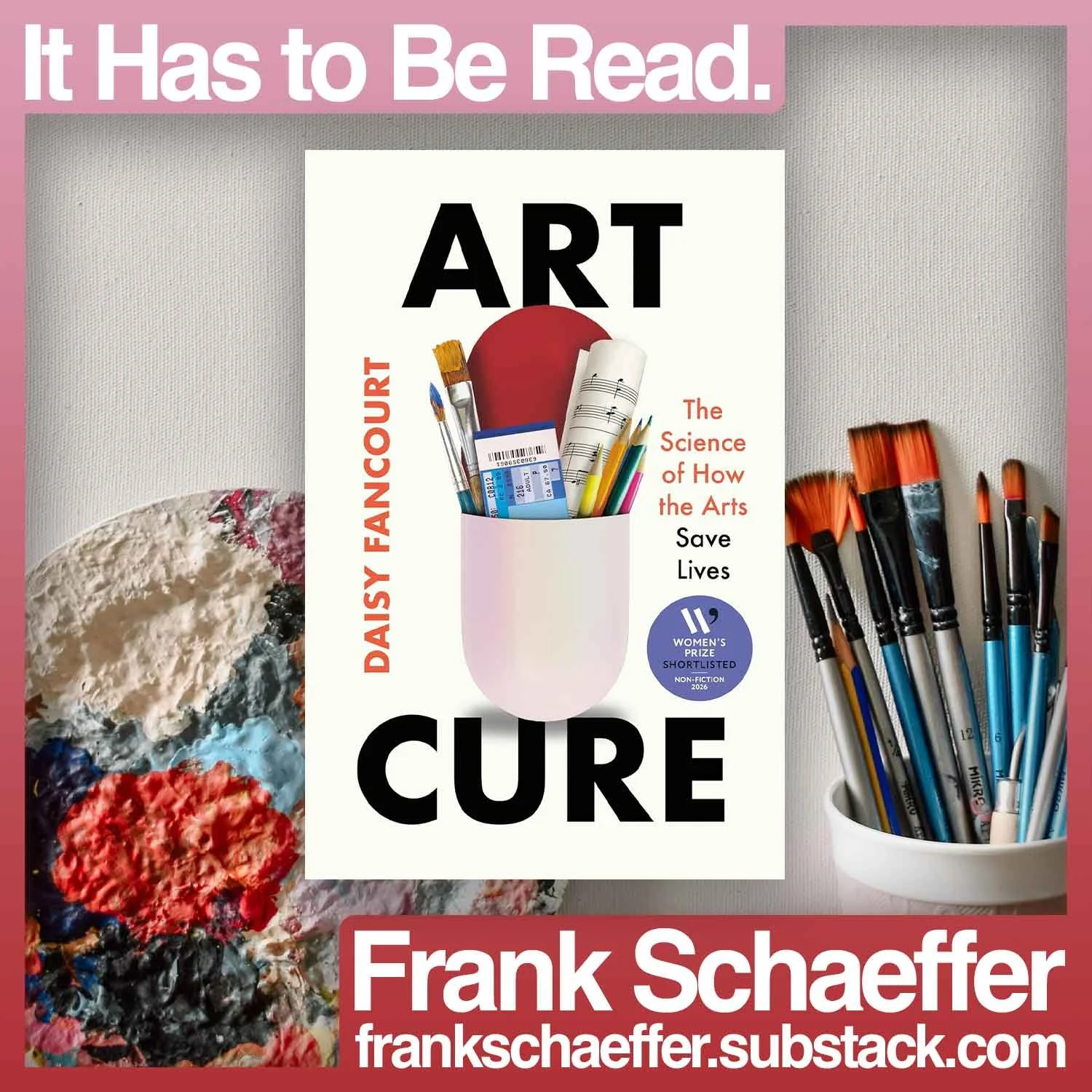
Frank Schaeffer In Conversation with Professor Daisy Fancourt, exploring her life work and the themes of her book, Art Cure: The Science of How the Arts Save Lives.
Richard Bruxvoort Colligan’s Dangerous Songs is about the Psalms, but it is really about being human.
We talk about depression, grief, outrage, gratitude, joy, violence, music, and the temptation to use religion to explain things that cannot be neatly explained.
What I like about Richard’s approach is its lack of sentimentality. The Psalms don’t tell us everything is fine. They tell us other human beings have been frightened, furious, grateful, lonely, joyful, and lost too.
Sometimes that is enough to keep us company.
Frank Schaeffer talks with Dr. Craig Yorke, author of Steep: A Black Neurosurgeon’s Journey, about growing up Black in Boston, the parents who demanded that he succeed, his path through Harvard and medicine, and the long process of understanding what that success cost.
Frank Schaeffer In Conversation with April Reynolds, exploring her work and the themes of her book, The Shape of Dreams: A Novel.
What happens when race becomes more than a social category and begins functioning like a religion?
Frank Schaeffer talks with sociologists Michael O. Emerson and Glenn Bracey II, authors of The Religion of Whiteness: How Racism Distorts Christian Faith.
Their research examines the painful distance between Christianity’s language of family, reconciliation, and love and the experiences of Christians of color inside American churches. The conversation ranges from multiracial congregations and the legacy of slavery to Christian nationalism, MAGA politics, opportunity hoarding, and the possibility of change.
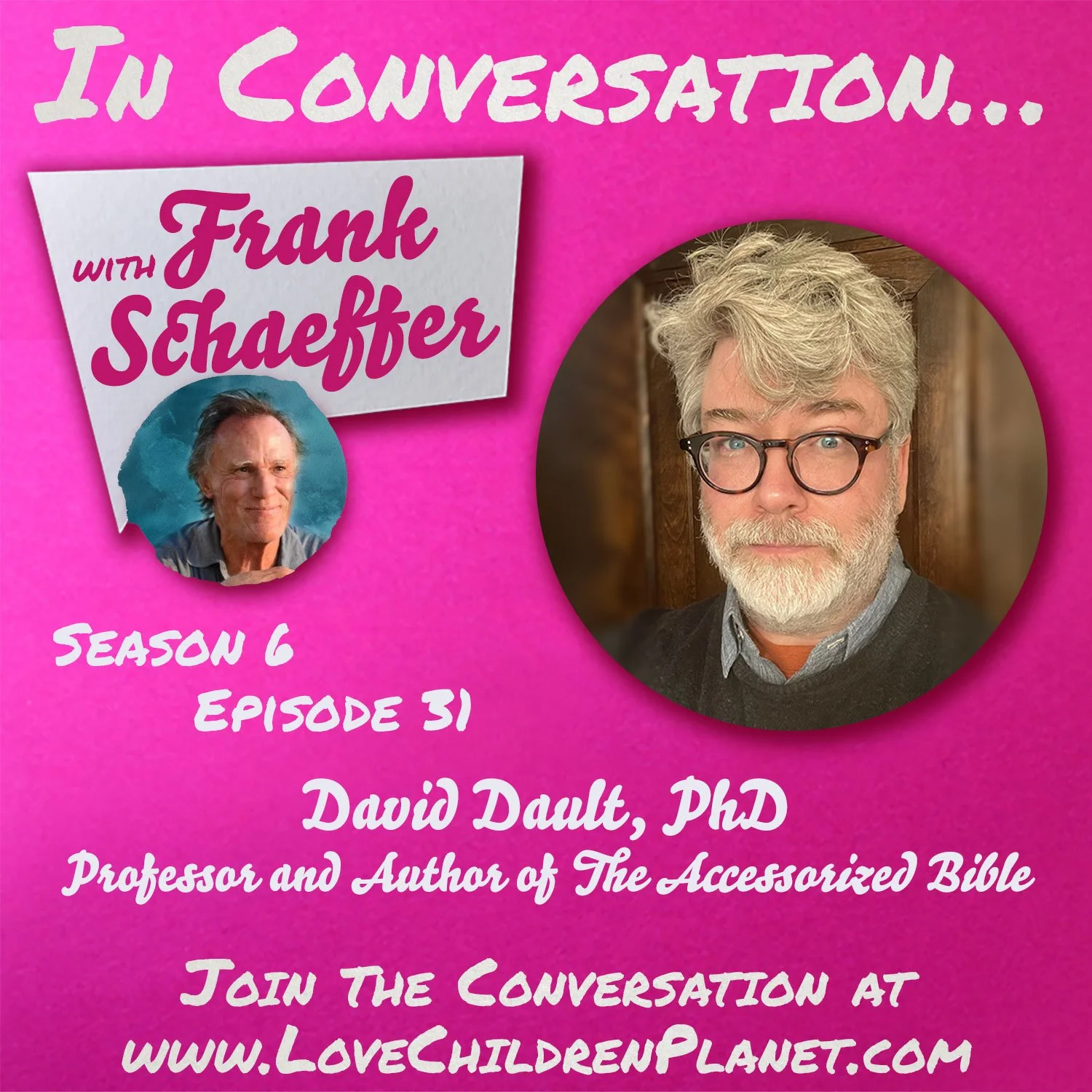
Frank Schaeffer welcomes David Dault for a thoughtful discussion of The Accessorized Bible. Together they explore how Scripture can inspire compassion or be used to justify violence, and why genuine faith begins with responsibility toward other people.
Frank Schaeffer speaks with David Blumenthal and James Morone about their book Whiplash, exploring the Affordable Care Act, the pandemic, Operation Warp Speed, misinformation, public trust, and why health policy has become one of America’s deepest political divides.
Attorney Boz Tchividjian joins Frank Schaeffer for a thoughtful conversation about abuse inside evangelical institutions, the misuse of spiritual authority, and the importance of accountability. Drawing on decades of legal work representing survivors, Boz reflects on healing, justice, and the responsibility churches have when trust is broken.
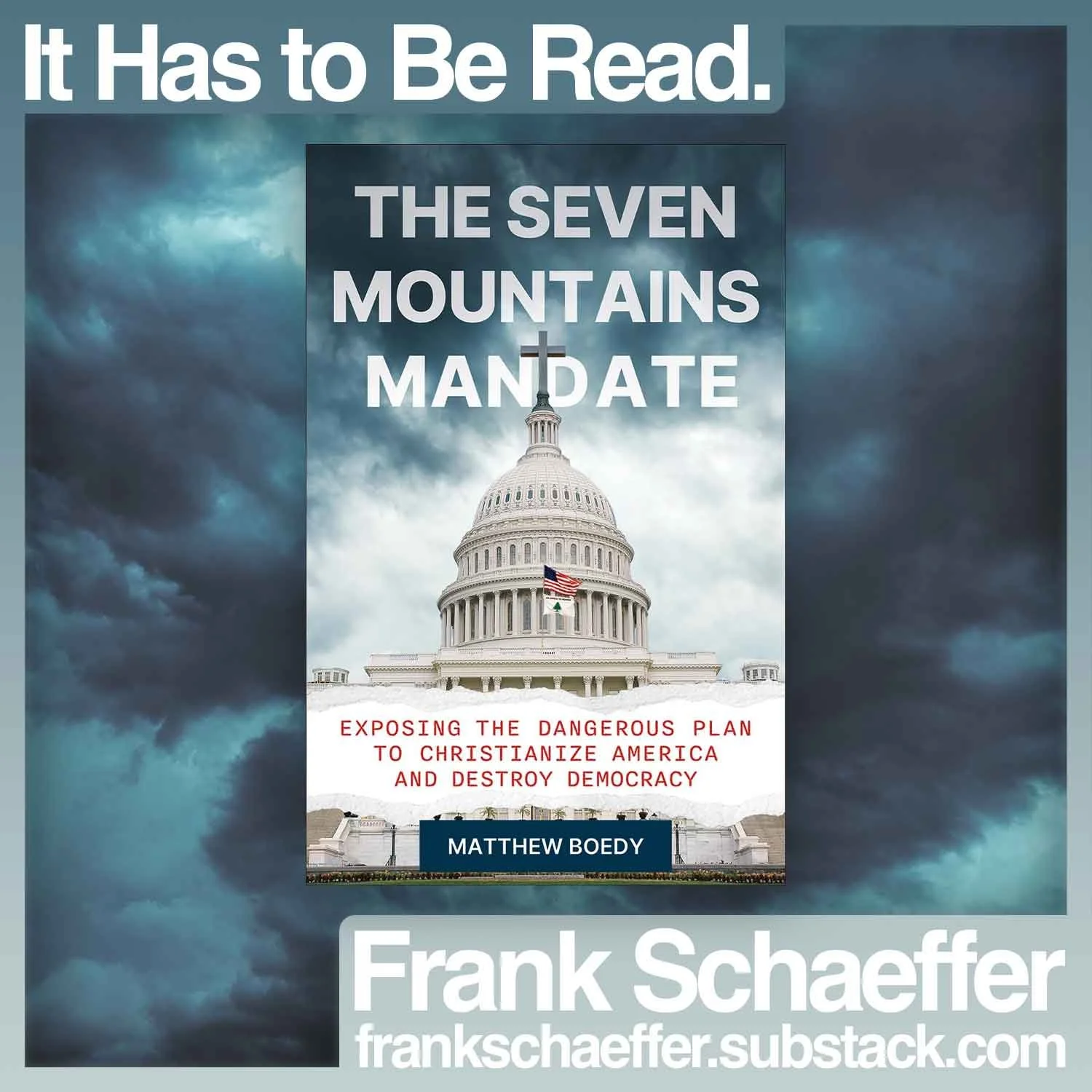
Frank Schaeffer talks with Matthew Boedy about The Seven Mountains Mandate, Christian nationalism, the Religious Right, and the future of American democracy.
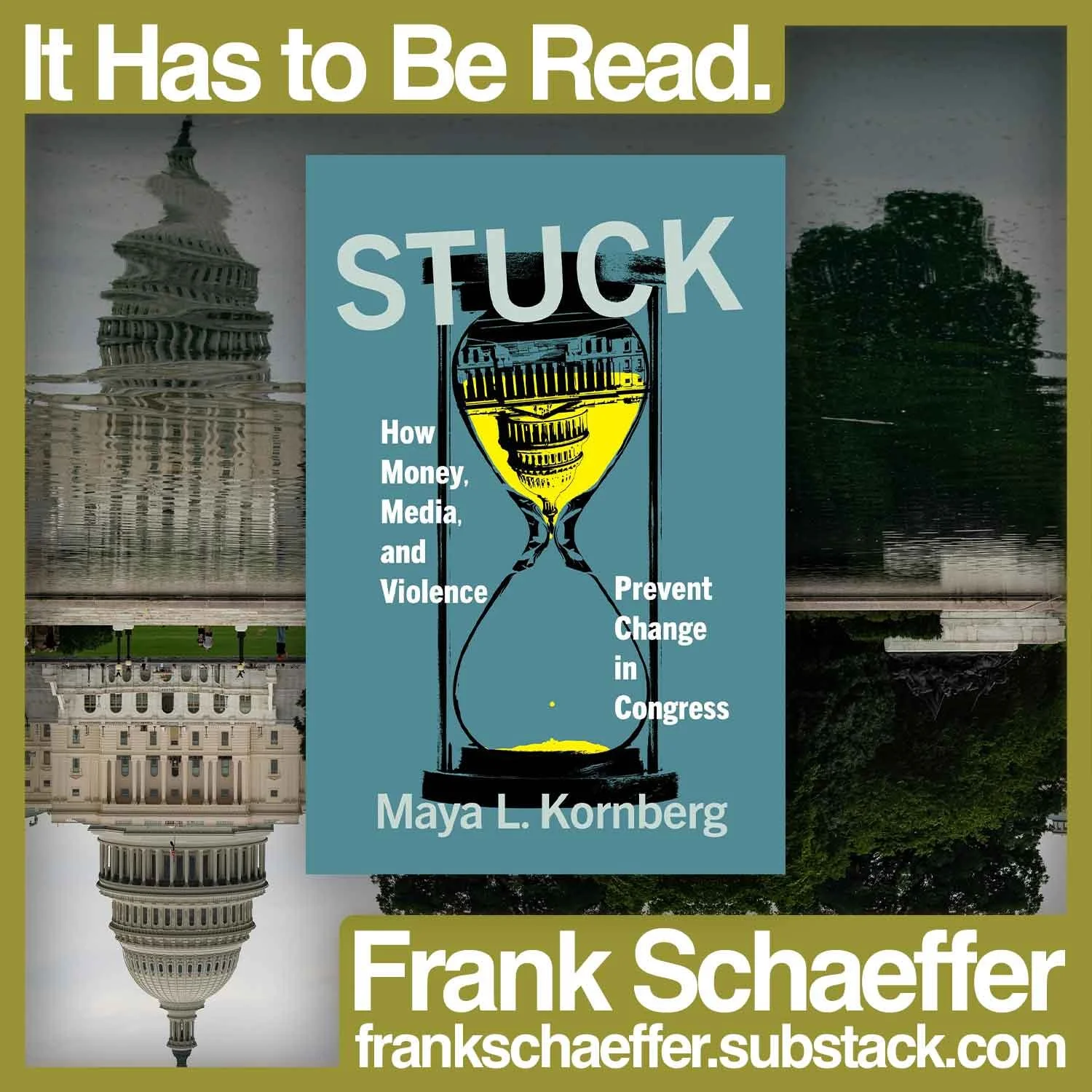
Frank Schaeffer speaks with Maya Kornberg about Stuck, her book on how money, media, violence, and institutional neglect prevent real change in Congress.
Frank Schaeffer talks with novelist and journalist Helen Benedict about Iraq, refugees, military trauma, and the stories Americans avoid hearing.
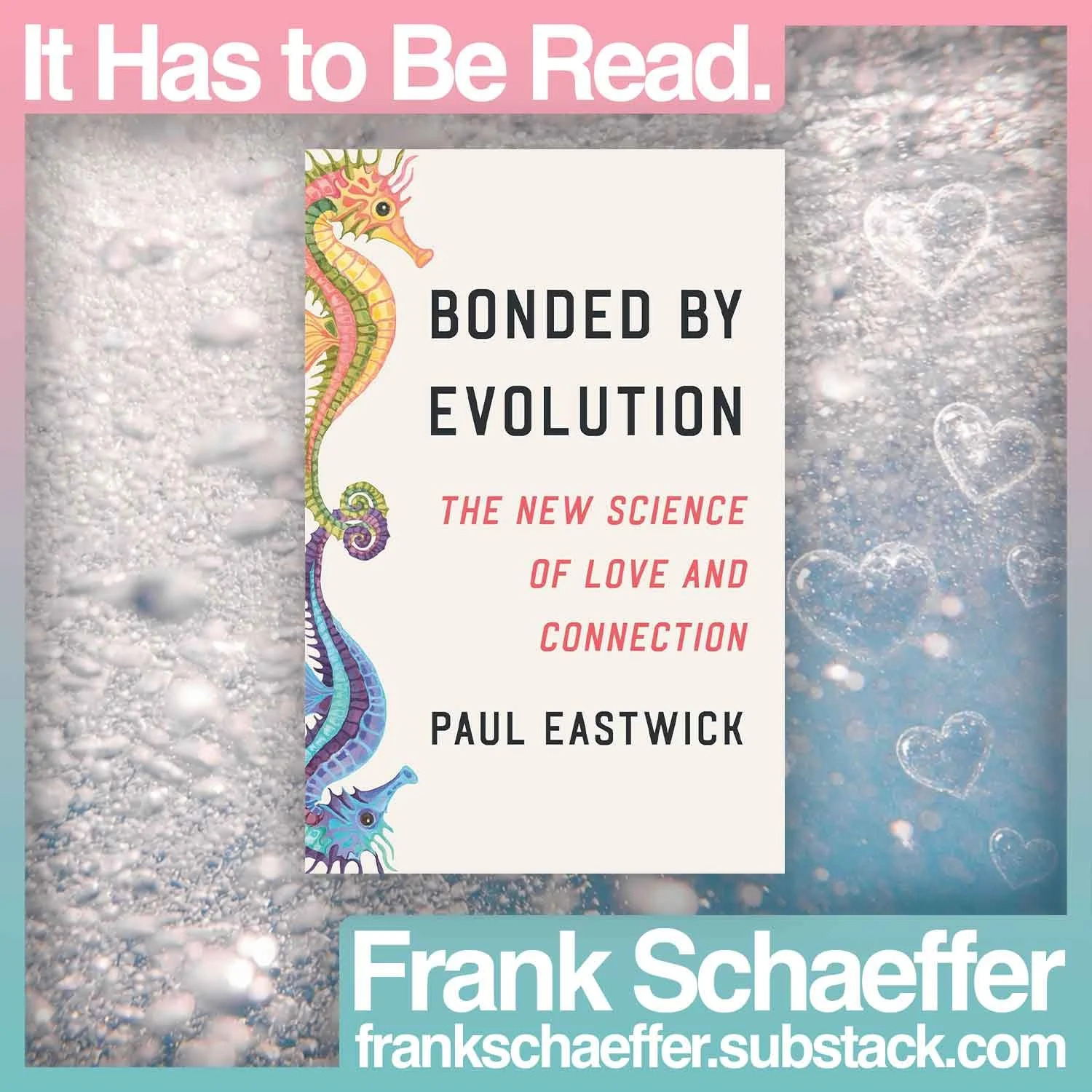
Paul Eastwick joins Frank Schaeffer for a Conversation about attachment, companionship, masculinity, and the science of long-term connection.
Frank Schaeffer talks with political strategist and author Atima Omara about democracy, race, religion, and the failures of the Democratic Party.
Michael O. Emerson joins Frank Schaeffer to talk about race, segregation, Christian nationalism, and the unfinished story behind Divided by Faith.
Elise Ann Allen talks with Frank Schaeffer about Pope Leo XIV, moral leadership, friendship, and what it means to remain human.
I was there. I knew a lot of the people Keri is writing about, worked with them, lived with some of them, and was part of the rise of the religious right. And I’ve been writing about and saying these things for the last 40 years since I left, especially about how the secular media totally ignored it and underestimated it. They were more comfortable talking about economic policy than religious motivation. And there seemed to be an absolute misunderstanding of the power of the movement. Everyone thought it was too fringe to warrant serious attention.
Jonathan Tepper and Frank Schaeffer Discuss What Happens When Suffering Opens Us Instead of Hardening Us.
I haven’t been this struck or fallen in love this fast with a book in my life. I started reading it to my wife and couldn’t stop.
I don’t usually react to books this way. I picked this one up, got a few pages in, and went upstairs to get my wife so I could read it to her. I thought I’d read a page or two. I ended up reading fifty or sixty pages out loud before we had to get on with the day. I’ve never done that before with any book connected to this podcast.
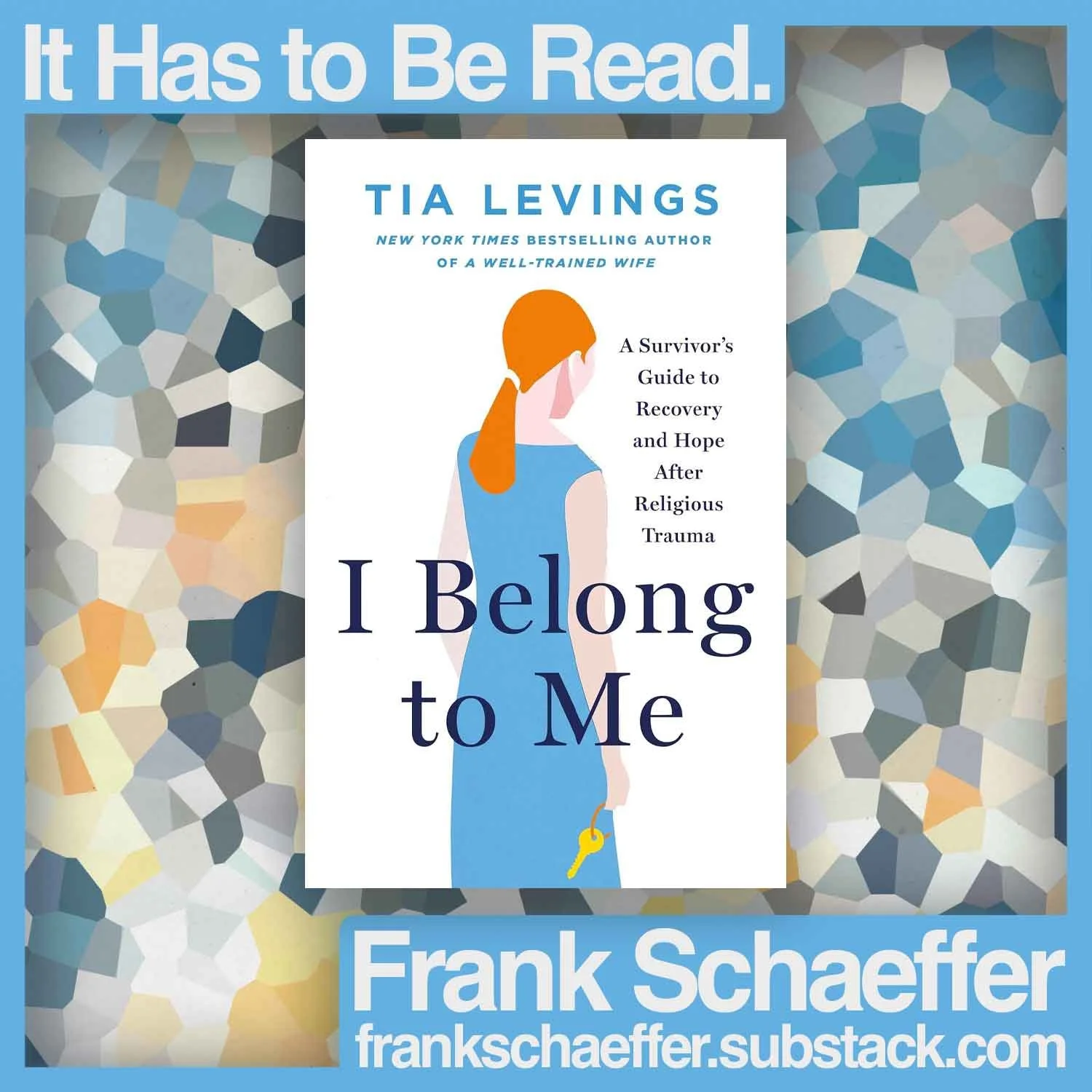
I talked with Tia Levings about what it’s like to come out of a world that shaped you completely and what happens after you leave; not just the belief system, but the habits, the fears, the voice in your head that doesn’t feel like yours.
A conversation with Marissa Franks Burt and Kelsey Kramer McGinnis about evangelical parenting, fear, power, and repair.
This conversation is personal for me. I knew many of the people behind the world Marissa Franks Burt and Kelsey Kramer McGinnis write about in The Myth of Good Christian Parenting. I helped build some of that world. I also had to leave it.
Melissa Duge Spiers joins me to talk about growing up in a high-control religious system and what it does to a person over time. We discuss the lasting impact on the body, relationships, and identity, along with the role of repression, especially around sexuality. This conversation looks at how experiences like this don’t stay private, but shape the wider culture as well.
Michael D.C. Drout and I ended up talking about why some books don’t leave you alone. Not because they make you feel better, but because they tell you the truth. Tolkien does that. He doesn’t smooth things over. He doesn’t give you a neat ending. He shows you what it costs
Becky is back for the the third time and we discuss economic insecurity, media collapse, masculinity, and the rise of charismatic leaders, moving through religion, power, and the growing divide between men and women.
At the center of it all is a difficult question: how does a society lose its way, and can we find it again?
I was there. I knew a lot of the people Keri is writing about, worked with them, lived with some of them, and was part of the rise of the religious right. And I’ve been writing about and saying these things for the last 40 years since I left, especially about how the secular media totally ignored it and underestimated it. They were more comfortable talking about economic policy than religious motivation. And there seemed to be an absolute misunderstanding of the power of the movement. Everyone thought it was too fringe to warrant serious attention.
Frank Schaeffer talks with Matthew Davis about Mount Rushmore, the Lakota, and why America struggles to face its own history honestly.
In this episode, Frank Schaeffer speaks with Leah Libresco Sargeant about her book The Dignity of Dependence.
They explore the cultural pressure to be independent and the reality that human life is built on care, responsibility, and connection.
From women’s experiences of the body to broader questions about family, politics, and faith, this conversation looks at what it means to live honestly in a world that values autonomy over relationship.
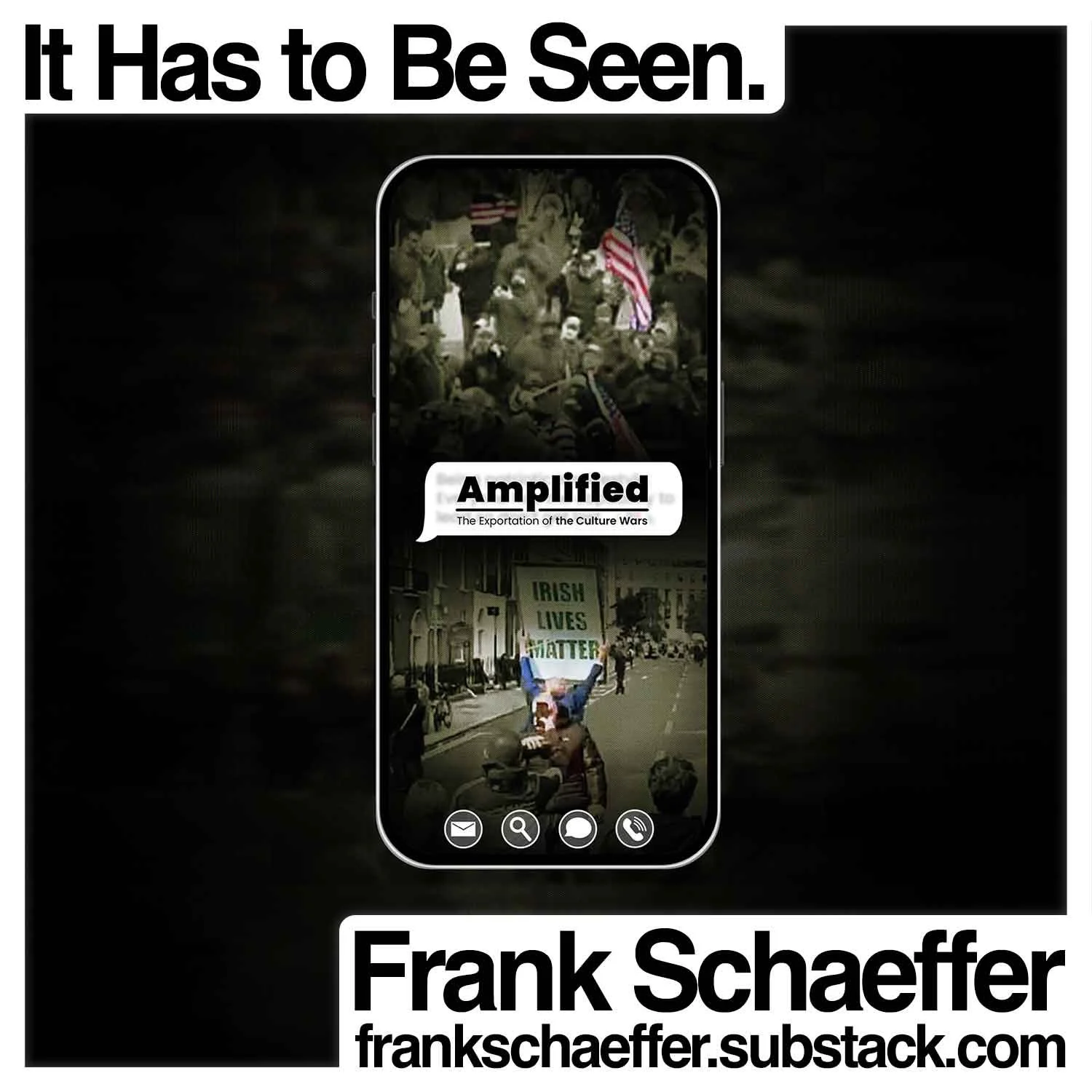
Directed by Mike Sheridan, Amplified explores the profound influence of American culture and politics on the global discourse, particularly in Ireland. The film investigates the origins of harmful rhetoric and conspiracy theories, highlighting how misinformation and disinformation spread and can lead to violence. Amplified culminates in the explosive Dublin riots in November 2023, which caused millions of euros in damage and made headlines worldwide.
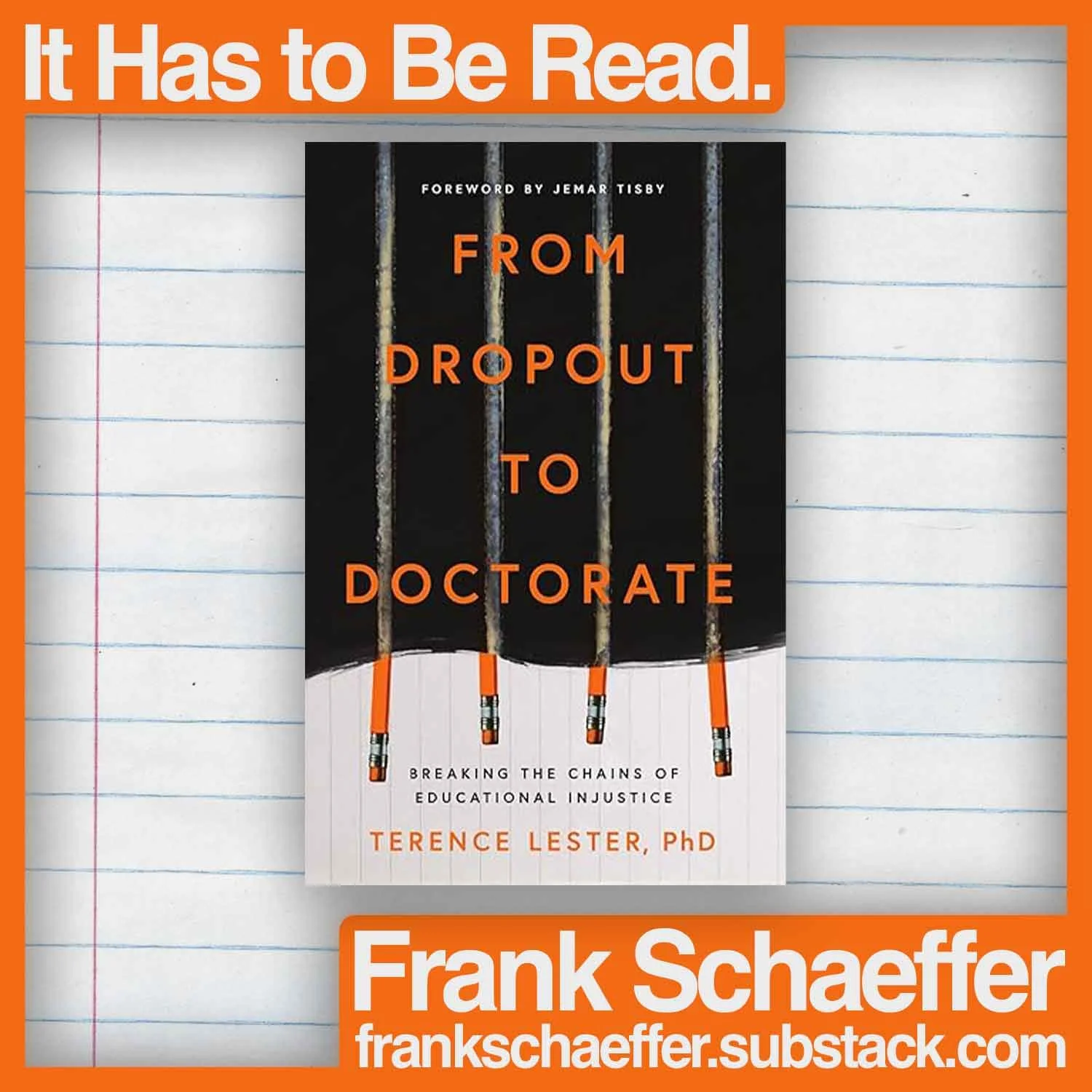
In this episode, Frank Schaeffer speaks with Dr. Terence Lester, PhD about his journey from hardship to scholarship, and the deeper work of becoming a healing presence for your children.
They discuss trauma, race, poverty, and faith, along with Lester’s Project Open Fridge and his commitment to addressing food insecurity.
The conversation moves beyond biography into something more personal. What do we carry from our past, and what do we choose not to pass on?
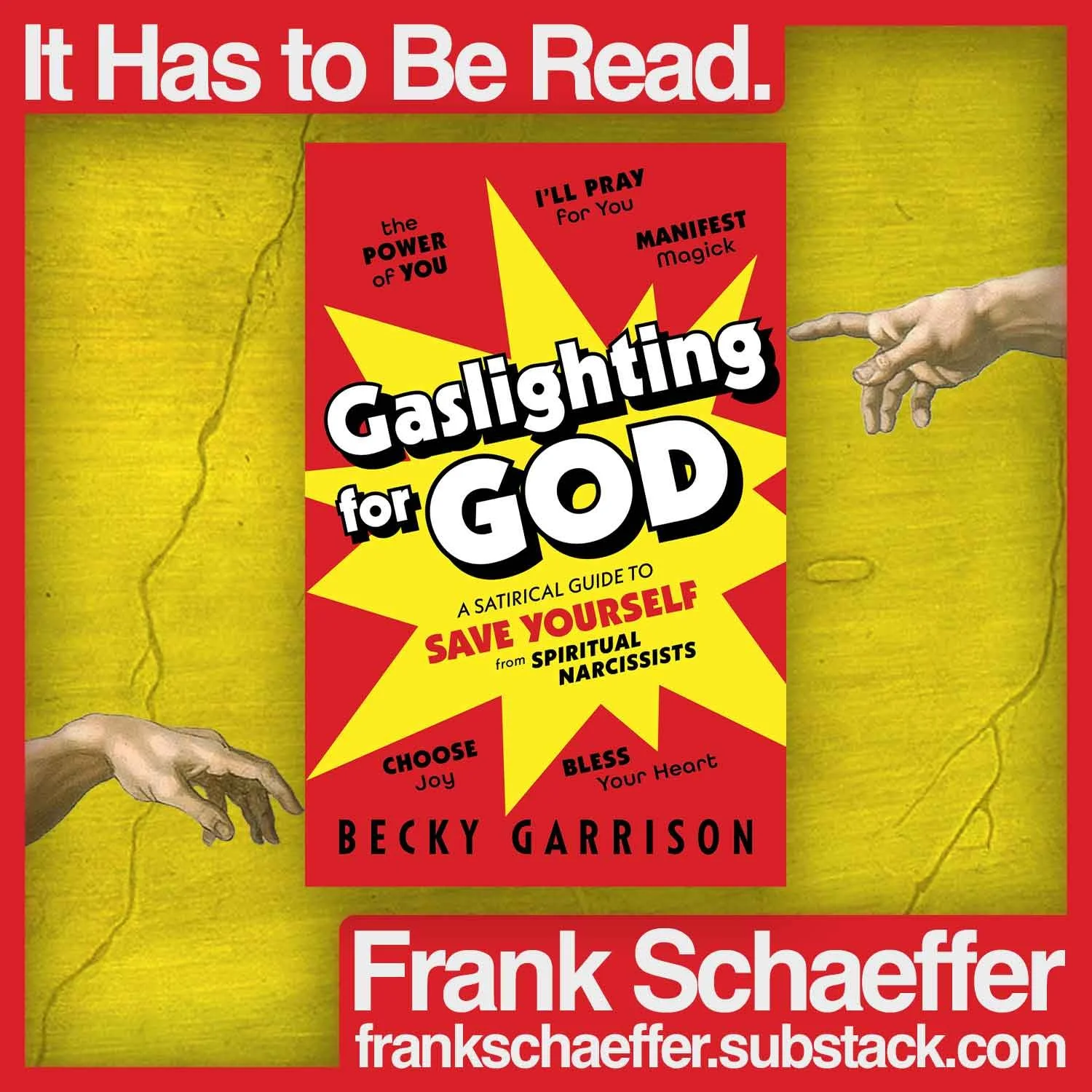
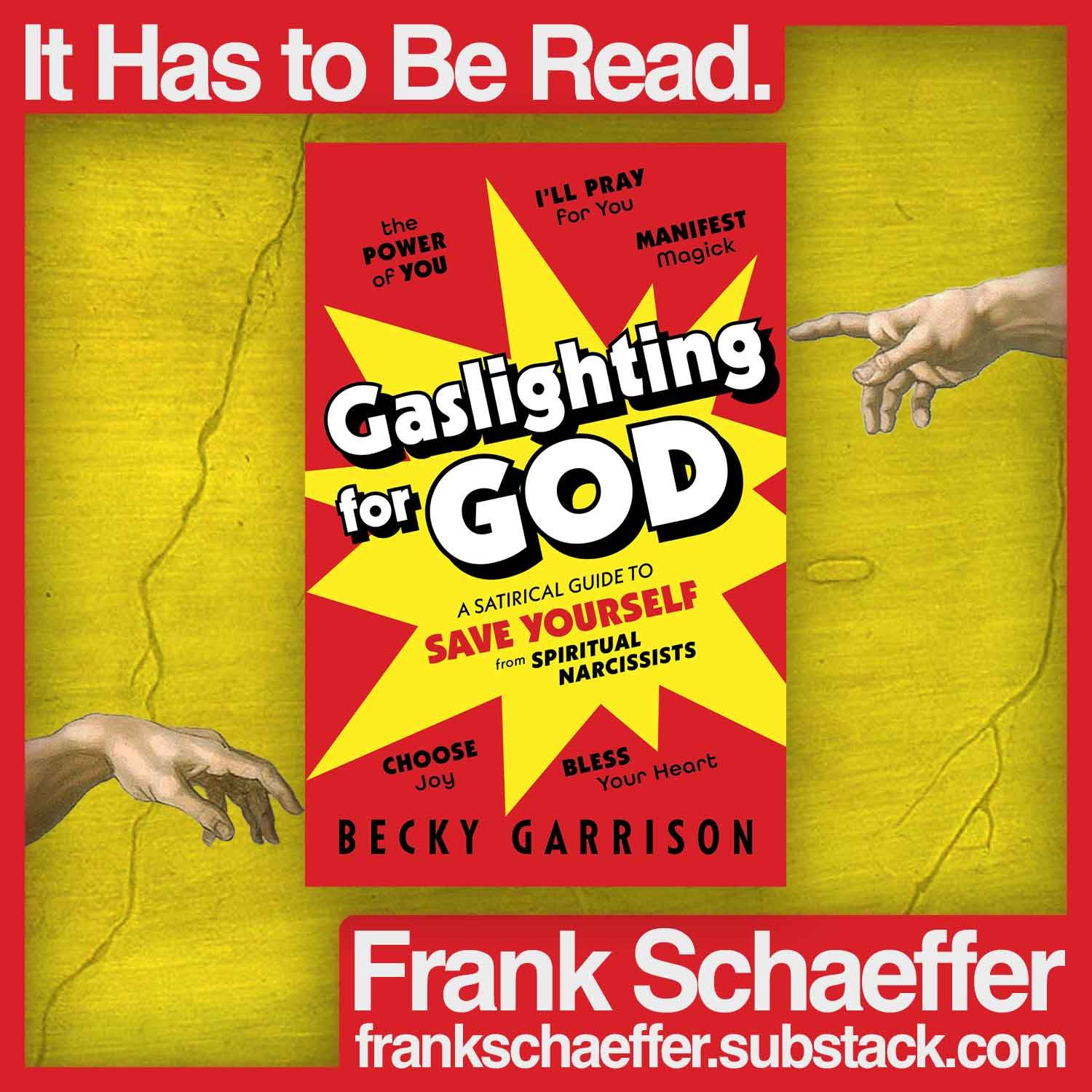
I talked with Becky Garrison about her new book Gaslighting for God in this 2 part conversation, starting with spiritual narcissism, MAGA, Trump, and religious trauma, and why both conservative and progressive spaces can become shaped by control and image. Then we shift to what comes next, including hope, the limits of satire, the collapse of celebrity leadership, and why real change may be happening in smaller, more local, more human ways.
I sat down with Gina Goldhammer to talk about her novel Where Snowbirds Play, which is set in 1991 at what she describes as the end of the golden age of Palm Beach, a world of wealth, influence, and powerful people living inside their own closed social orbit.
In Conversation… with Frank Schaeffer
is a production of The George Bailey Morality in Public Life Fellowship