What Black Women Have Tried to Tell America with Atima Omara
Frank Schaeffer talks with political strategist and author Atima Omara about democracy, race, religion, and the failures of the Democratic Party.
Paul Eastwick joins Frank Schaeffer for a Conversation about attachment, companionship, masculinity, and the science of long-term connection.
Frank Schaeffer talks with novelist and journalist Helen Benedict about Iraq, refugees, military trauma, and the stories Americans avoid hearing.
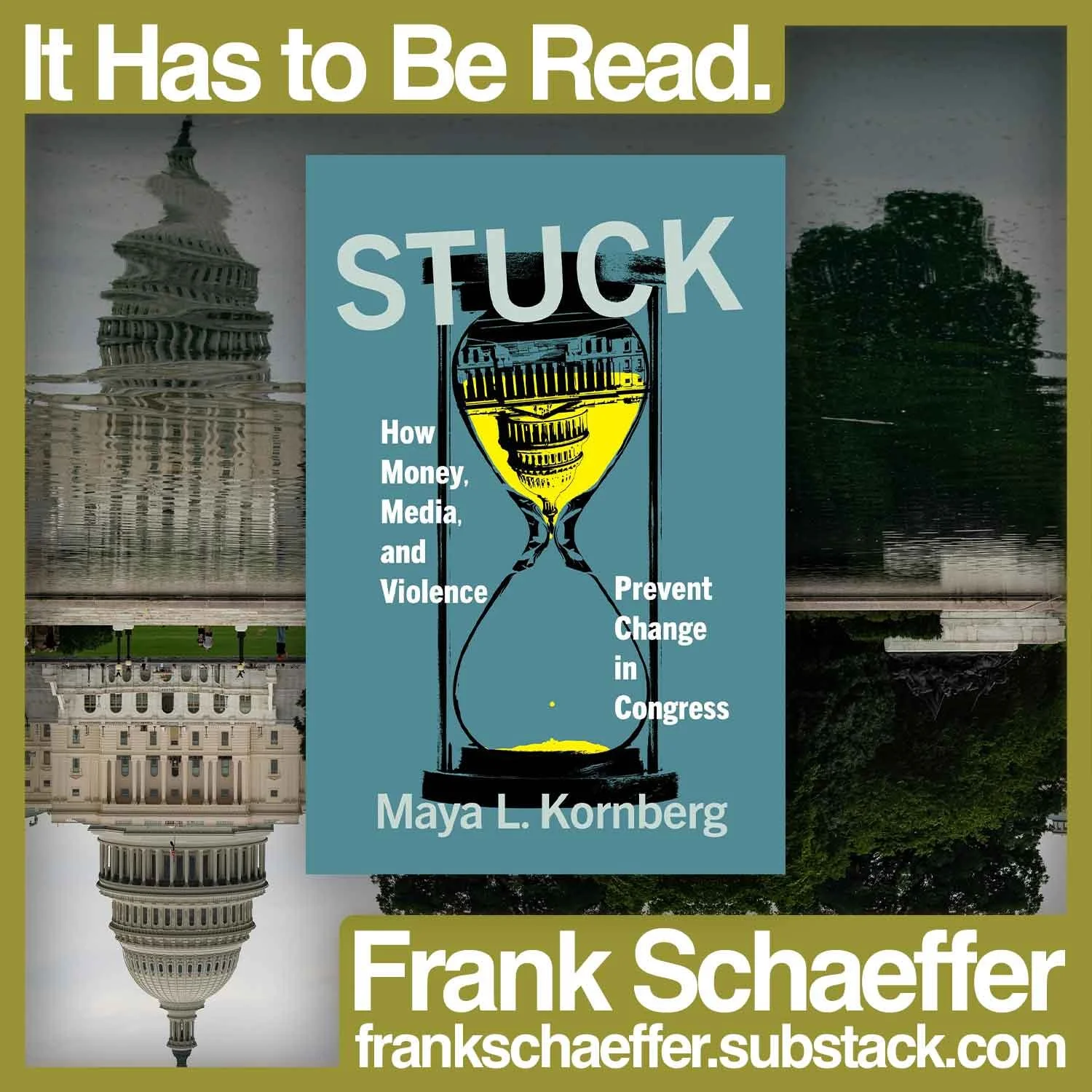
Frank Schaeffer In Conversation with Maya Kornberg, exploring her work and her new book, Stuck: How Money, Media, and Violence Prevent Change in Congress.
Shop the “It Has to Be Read.” Book Club List: https://bookshop.org/shop/frankschaeffer
Maya Kornberg is a senior research fellow at the NYU Law's Brennan Center for Justice. She is the author of Inside Congressional Committees: Function and Dysfunction in the Legislative Process.
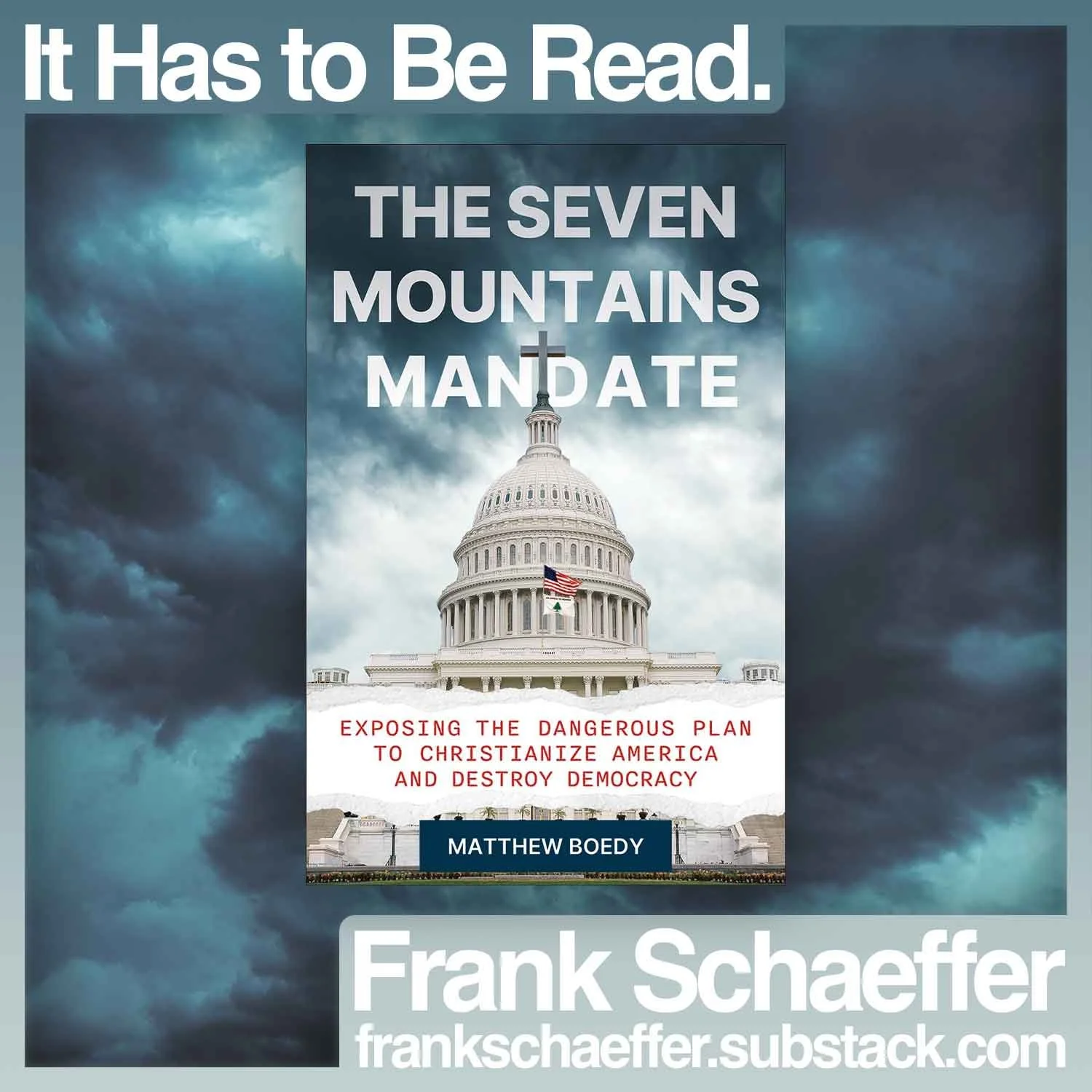
Frank Schaeffer In Conversation with Matthew Boedy, exploring his work and his book, “The Seven Mountains Mandate: Exposing the Dangerous Plan to Christianize America and Destroy Democracy”
Shop the “It Has to Be Read.” Book Club List: https://bookshop.org/shop/frankschaeffer
Matthew Boedy was targeted by Turning Point USA in 2016 and listed on its "professor watchlist" after speaking up against allowing concealed guns on college campuses. As one of the foremost experts on Turning Point USA and its founder and CEO Charlie Kirk, Boedy exposes their role in perpetuating Christian nationalism in the United States and the threat to democracy they pose. With a background in journalism, an MFA in creative writing, and a PhD in rhetoric, he is a dynamic and experienced scholar whose first book, Speaking of Evil, explored the evolving rhetoric surrounding evil. Boedy currently teaches rhetoric and composition courses at the University of North Georgia and lives in Gainesville, Georgia, with his wife and two daughters.
Frank Schaeffer In Conversation with David Blumenthal and James A. Morone, exploring their work and the themes of their book, “Whiplash: From the Battle for Obamacare to the War on Science”
Shop the “It Has to Be Read.” Book Club List: https://bookshop.org/shop/frankschaeffer
David Blumenthal, professor of the practice of public health and health policy at Harvard University, is former national coordinator for Health Information Technology.
James A. Morone is the John Hazen White Professor Emeritus of Political Science, Public Policy, and Urban Studies at Brown University.
In Conversation with Drs. Glenn Bracey, II, and Michael O. Emerson, exploring their work and the themes of their book, The Religion of Whiteness: How Racism Distorts Christian Faith.
Michael O. Emerson is the author of over 15 books and 100 other publications. Considered one of the nation's leading scholars of religion and race, he has won multiple research and teaching awards. His work has been funded by several million dollars in grants, and he has appeared on national and international media outlets for the past quarter of a century. As the Chavanne Fellow in Religion and Public Policy at Rice University's Baker Institute for Public Policy, a leading non-partisan thinktank, he works to communicate the implications of American religious life for national policies, and to help policymakers understand the impact of policy on U.S. religions.
Glenn E. Bracey II is an Assistant Professor of Sociology at Villanova University, where his work specializes in race, religion, and social movements. Bracey is an award-winning teacher and scholar with publications in leading academic journals. An emerging voice on issues ranging from critical race theory to racial protests and national politics, Bracey has appeared in several national media outlets.
Frank Schaeffer In Conversation with April Reynolds, exploring her work and the themes of her book, The Shape of Dreams: A Novel.
Frank Schaeffer In Conversation with Richard Bruxvoort Colligan, exploring his work and the themes of his book, Dangerous Songs: The Psalms and a Gloriously Disrupted Life.
Shop the “It Has to Be Read.” Book Club List: https://bookshop.org/shop/frankschaeffer
Richard Bruxvoort Colligan is a musician and student of the Psalms. He holds an MA in theology and the arts from United Theological Seminary of the Twin Cities, and a DMin in grief work from Eden Seminary. He is director of spiritual formation at Mount Olive Lutheran Church in Rochester, Minnesota.
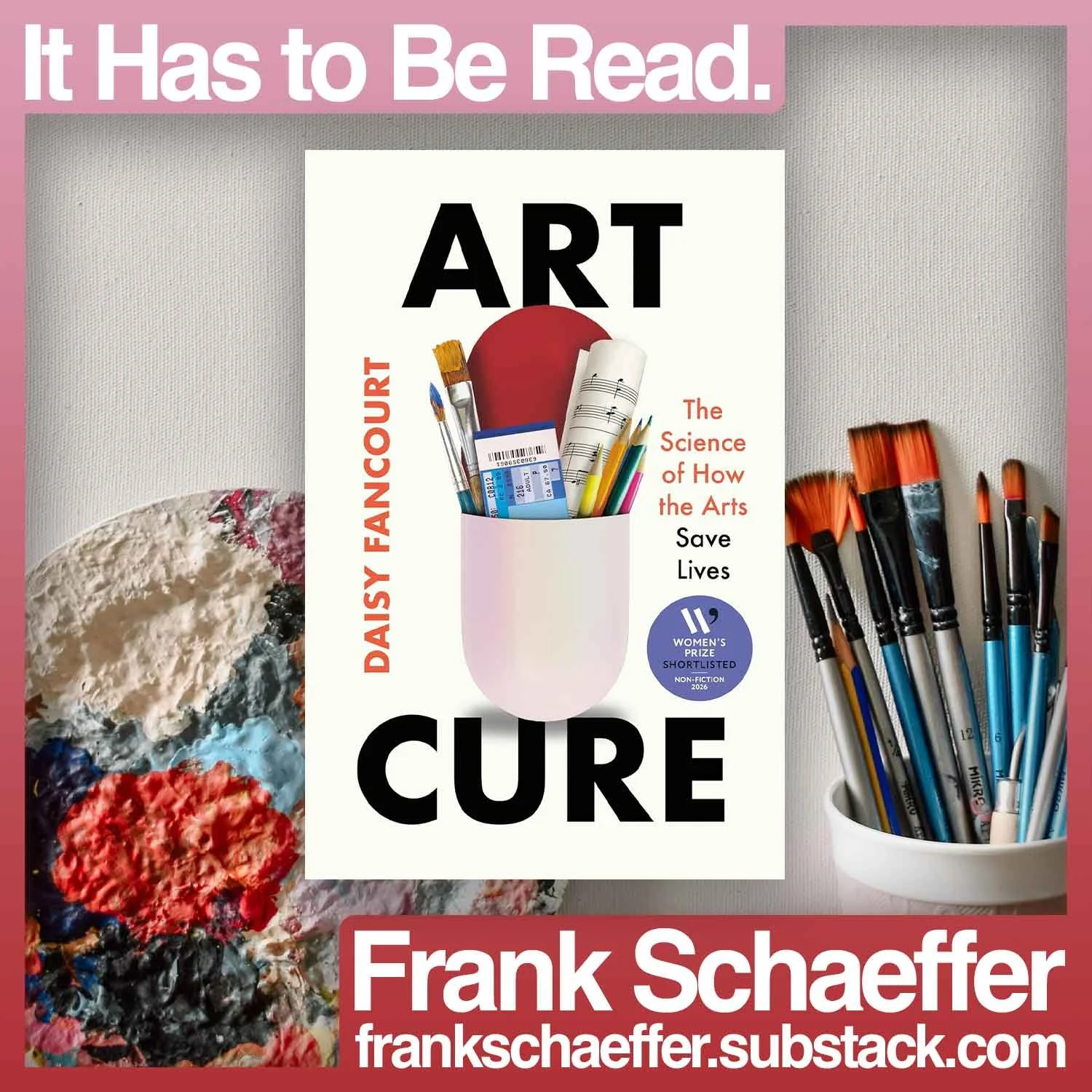
Frank Schaeffer In Conversation with Professor Daisy Fancourt, exploring her life work and the themes of her book, Art Cure: The Science of How the Arts Save Lives.
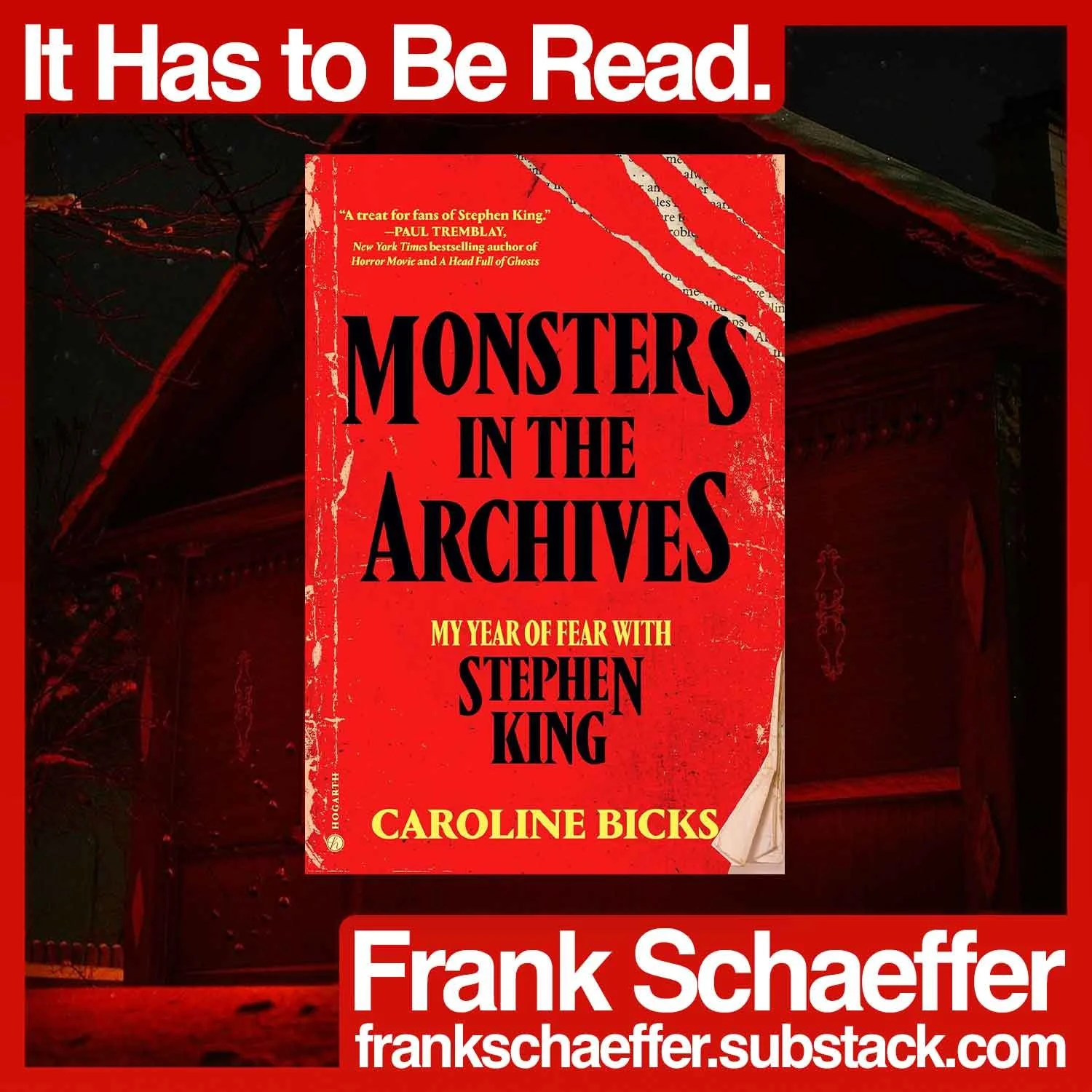
Frank Schaeffer In Conversation with Caroline Bicks, exploring her work and the themes of her book, Monsters in the Archives: My Year of Fear with Stephen King.
Michael O. Emerson joins Frank Schaeffer to talk about race, segregation, Christian nationalism, and the unfinished story behind Divided by Faith.
Elise Ann Allen talks with Frank Schaeffer about Pope Leo XIV, moral leadership, friendship, and what it means to remain human.
I was there. I knew a lot of the people Keri is writing about, worked with them, lived with some of them, and was part of the rise of the religious right. And I’ve been writing about and saying these things for the last 40 years since I left, especially about how the secular media totally ignored it and underestimated it. They were more comfortable talking about economic policy than religious motivation. And there seemed to be an absolute misunderstanding of the power of the movement. Everyone thought it was too fringe to warrant serious attention.
Jonathan Tepper and Frank Schaeffer Discuss What Happens When Suffering Opens Us Instead of Hardening Us.
I haven’t been this struck or fallen in love this fast with a book in my life. I started reading it to my wife and couldn’t stop.
I don’t usually react to books this way. I picked this one up, got a few pages in, and went upstairs to get my wife so I could read it to her. I thought I’d read a page or two. I ended up reading fifty or sixty pages out loud before we had to get on with the day. I’ve never done that before with any book connected to this podcast.
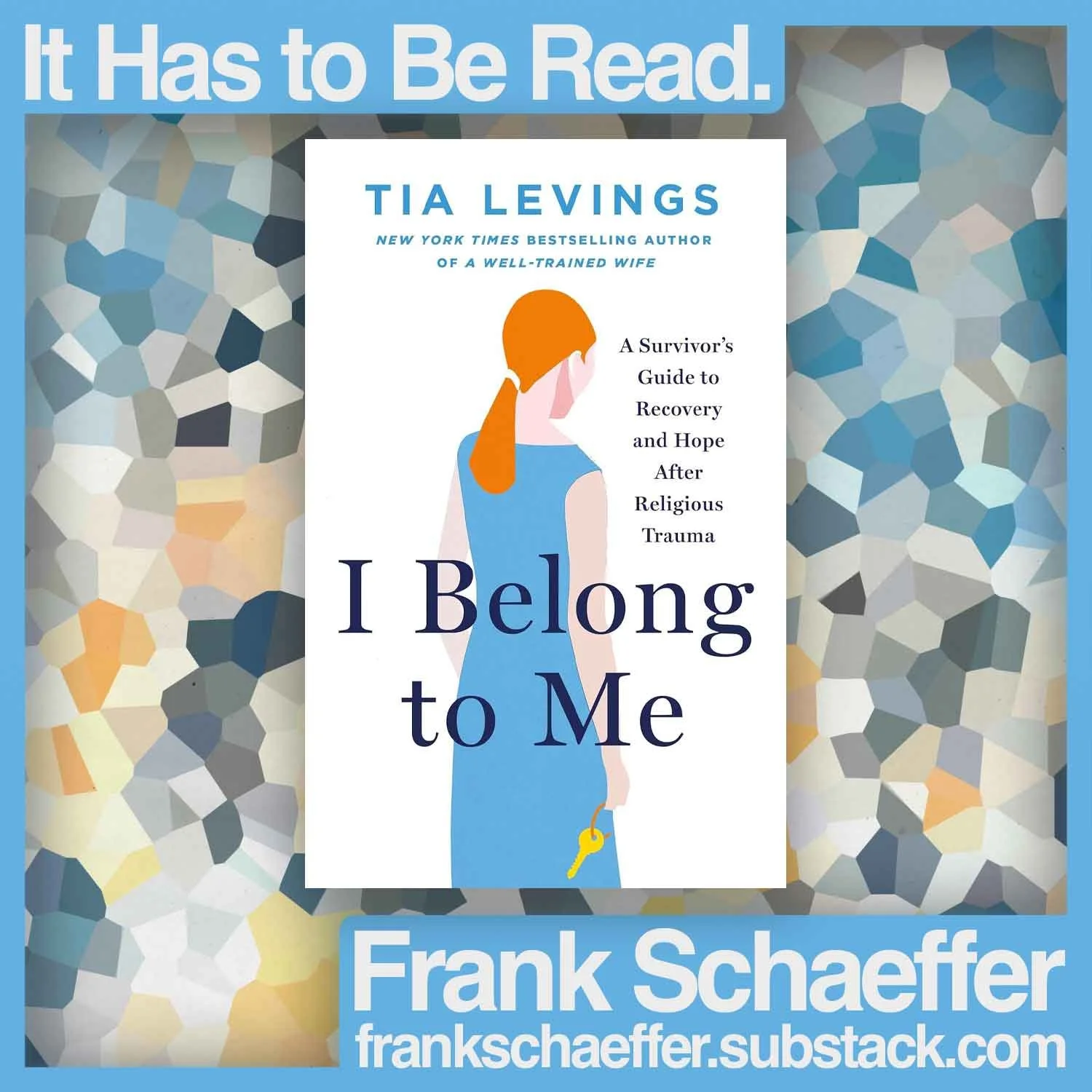
I talked with Tia Levings about what it’s like to come out of a world that shaped you completely and what happens after you leave; not just the belief system, but the habits, the fears, the voice in your head that doesn’t feel like yours.
A conversation with Marissa Franks Burt and Kelsey Kramer McGinnis about evangelical parenting, fear, power, and repair.
This conversation is personal for me. I knew many of the people behind the world Marissa Franks Burt and Kelsey Kramer McGinnis write about in The Myth of Good Christian Parenting. I helped build some of that world. I also had to leave it.
Melissa Duge Spiers joins me to talk about growing up in a high-control religious system and what it does to a person over time. We discuss the lasting impact on the body, relationships, and identity, along with the role of repression, especially around sexuality. This conversation looks at how experiences like this don’t stay private, but shape the wider culture as well.
Michael D.C. Drout and I ended up talking about why some books don’t leave you alone. Not because they make you feel better, but because they tell you the truth. Tolkien does that. He doesn’t smooth things over. He doesn’t give you a neat ending. He shows you what it costs
Becky is back for the the third time and we discuss economic insecurity, media collapse, masculinity, and the rise of charismatic leaders, moving through religion, power, and the growing divide between men and women.
At the center of it all is a difficult question: how does a society lose its way, and can we find it again?
I was there. I knew a lot of the people Keri is writing about, worked with them, lived with some of them, and was part of the rise of the religious right. And I’ve been writing about and saying these things for the last 40 years since I left, especially about how the secular media totally ignored it and underestimated it. They were more comfortable talking about economic policy than religious motivation. And there seemed to be an absolute misunderstanding of the power of the movement. Everyone thought it was too fringe to warrant serious attention.
Frank Schaeffer talks with Matthew Davis about Mount Rushmore, the Lakota, and why America struggles to face its own history honestly.
In this episode, Frank Schaeffer speaks with Leah Libresco Sargeant about her book The Dignity of Dependence.
They explore the cultural pressure to be independent and the reality that human life is built on care, responsibility, and connection.
From women’s experiences of the body to broader questions about family, politics, and faith, this conversation looks at what it means to live honestly in a world that values autonomy over relationship.
Directed by Mike Sheridan, Amplified explores the profound influence of American culture and politics on the global discourse, particularly in Ireland. The film investigates the origins of harmful rhetoric and conspiracy theories, highlighting how misinformation and disinformation spread and can lead to violence. Amplified culminates in the explosive Dublin riots in November 2023, which caused millions of euros in damage and made headlines worldwide.
In this episode, Frank Schaeffer speaks with Dr. Terence Lester, PhD about his journey from hardship to scholarship, and the deeper work of becoming a healing presence for your children.
They discuss trauma, race, poverty, and faith, along with Lester’s Project Open Fridge and his commitment to addressing food insecurity.
The conversation moves beyond biography into something more personal. What do we carry from our past, and what do we choose not to pass on?
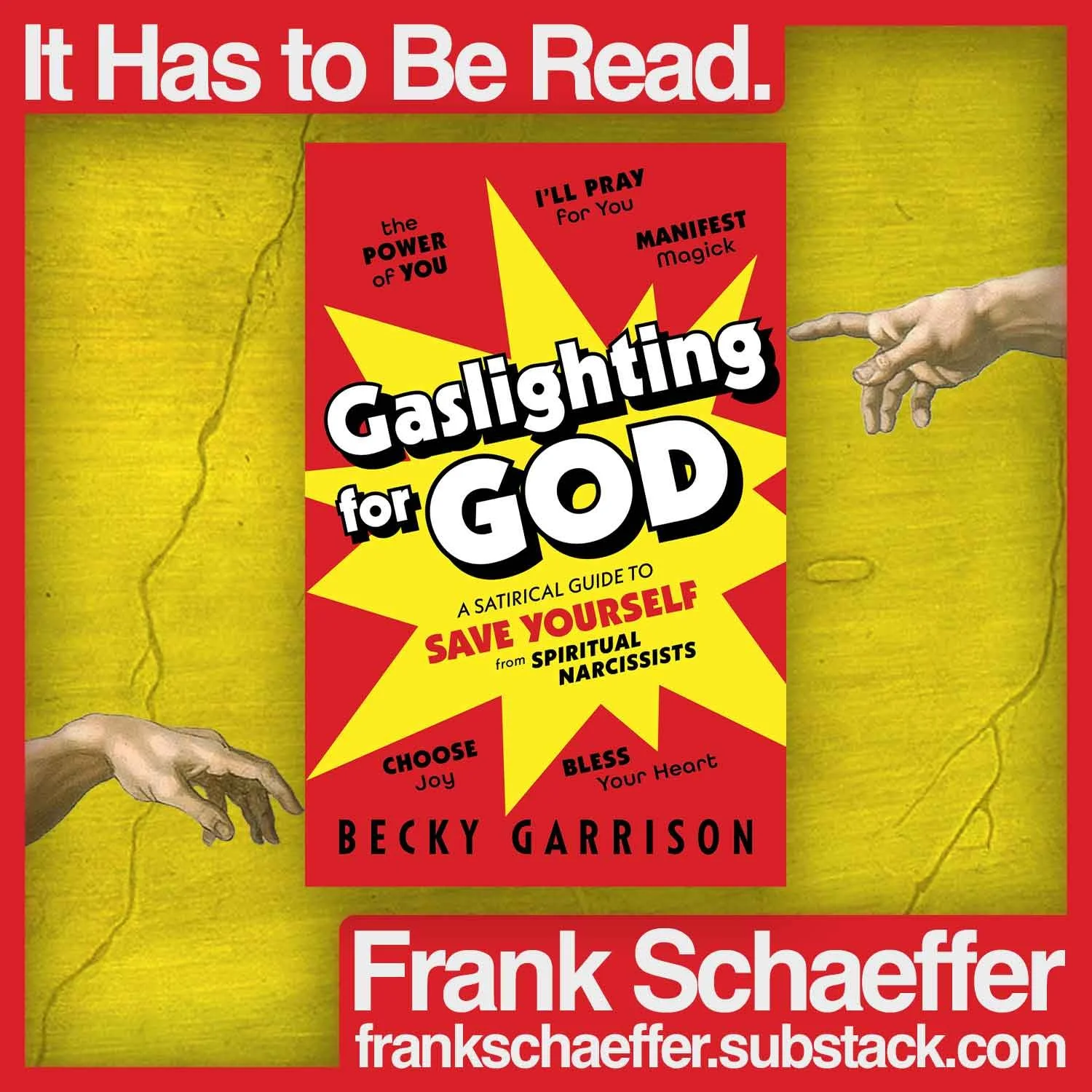
I talked with Becky Garrison about her new book Gaslighting for God in this 2 part conversation, starting with spiritual narcissism, MAGA, Trump, and religious trauma, and why both conservative and progressive spaces can become shaped by control and image. Then we shift to what comes next, including hope, the limits of satire, the collapse of celebrity leadership, and why real change may be happening in smaller, more local, more human ways.
I sat down with Gina Goldhammer to talk about her novel Where Snowbirds Play, which is set in 1991 at what she describes as the end of the golden age of Palm Beach, a world of wealth, influence, and powerful people living inside their own closed social orbit.
Why do couples who genuinely love each other struggle to stay in love? Why does criticism from a partner hurt so deeply? And why do defensiveness and misunderstanding so often replace real communication? And how have changing expectations between men and women complicated marriage in ways our parents and grandparents never experienced?
Writer Kate Cohen discusses her new Substack “Scratch,” exploring the human need to cook, build, sew, and create in a world increasingly dominated by algorithms and AI.
Marianne Leone joins Frank Schaeffer to discuss her novel Christina the Astonishing, growing up Italian-American under Irish Catholic nuns, religious trauma, losing faith after her father’s death, The Sopranos, and why bold girls survive institutions built to silence them.
Frank Schaeffer talks with Andrew Lownie about Prince Andrew, the Epstein scandal, and the monarchy’s uncertain future after Entitled.
I sat down with Jason G. Green to talk about his memoir Too Precious to Lose. He served in the Obama White House, but this book is about something deeper; family, race, memory, and the kind of community that shapes a life. It’s a thoughtful conversation about where we are as a country and what we risk losing.
Historian and ordained Episcopal priest Randall Balmer joins Frank Schaeffer to discuss his powerful new book, America’s Best Idea. Together they explore the true history of church-state separation, the myth of America as a Christian nation, the Treaty of Tripoli, the Supreme Court’s recent rulings, and why evangelical Christians may lose the most if Christian nationalism succeeds. A truth-telling conversation about democracy, faith, and the First Amendment.
Why the MAGA movement is far smarter, and far more dangerous, than liberals want to admit.
Political theorist Laura K. Field joins me to expose the philosophical, religious, and institutional ideas driving the MAGA New Right. From elite Catholic theorists to post-liberal power strategies, this conversation reveals why Trumpism didn’t come out of nowhere, and why ignoring it is no longer an option.
Frank Schaeffer speaks with William J. Kole about guns, fear, and how white evangelical Christianity drifted away from the teachings of Jesus.
A conversation about play, attention, and why being fully present with children is some of the most important work we do.
I’ve spent a lifetime raising children and helping raise grandchildren. In this conversation with Christopher Mannino, I found myself recognizing ideas I’ve learned not from books, but from years of showing up. This is about play, imagination, and why presence — not performance — is what children remember.
Drawing on decades of humanitarian work, Sharon reflects on accountability, choice, faith, and why good intentions alone are not enough. We talk about suffering not as an abstract problem, but as something that asks something of us in our communities, our institutions, and our daily lives.
Novelist TJ Poortinga joins me to talk about Electric Orange, a darkly comic, theologically sharp warning written from inside evangelical culture. We unpack Christian nationalism, masculinity, media rage, and why secular America keeps misreading religious power.
Filmmaker Petra Costa and producer Alessandra Orofino join Frank Schaeffer to explore how evangelical movements fused with authoritarian politics in Brazil—and why the same forces are reshaping democracy in the United States.
Melanie D.G. Kaplan joins Frank Schaeffer to talk about dogs, science, forgiveness, and why love still matters.
What happens when a beagle bred for laboratory research gets a second life—and changes a human forever?
Journalist and author Melanie D.G. Kaplan joins me for a conversation about her book Lab Dog: A Beagle and His Human Investigate the Surprising World of Animal Research.