
Media
EXCERPTS

“If we hadn’t demeaned parenthood in favor of elevating career-achievement to a quasi-religious cult, and if we hadn’t in effect become nomadic, rootless, individualistic, disruption-venerating, thrill-seeking strivers, we might have our priorities straight when it comes to what a good life, a happy life, and fulfilling life actually can be.”

“We used to talk about childcare as if its purpose was to ‘free’ women to get jobs. We updated that to ‘freeing parents’—men and women—to get jobs.”

“To get respect, women with children or caregiving males or nonbinary caregivers must identify themselves as having some other job besides ‘just childcare’ or being ‘just a houseparent’ because childcare is regarded as unskilled labor.”

“Evolution built us to expect help from others and to give it. That’s the reason we instinctively wanted to know why our government “isn’t doing anything” and expected someone to ‘do something’ when Covid-19 emerged as our version of the Black Death.”

“Americans on the move, chasing jobs, leave behind family and other deep connections again and again and again. Then we wonder why our relationships and marriages go bad and why we feel lonely.”

“Today, parents face crises alone as a result of:
Providing no government-funded services for childcare while at the same time encouraging (actually, forcing, though social pressure about what is ‘cool’ to do) both parents to work outside the home—even when they have very young preschool children.…”

“Providing a space for the inner stillness a child needs to contemplate the beauty of life—their very own encounter with the spirit of the Primavera—is what grandparents are ‘for.’”
“Parenthood is often delayed past what makes sense biologically. That’s because people are given no good choices. Help from family evaporates into thin air when jobs change and people move far away.”

“There’s a reason infant and child mortality rates dropped when kids were with parents during the Covid lockdown rather than with strangers.”

“Younger people with callous or indifferent or (most likely) uninformed attitudes about the elderly are cutting their lifespans shorter.”

“Kids who grow up with active grandparents involved in their daily lives do far better through their entire lifetime than those deprived of such contacts.”

“What is evolution “telling” us? Answer: if we’re deprived of love, we wither. If we get “born again” into the religion of greed, we kill ourselves.”

“Grandparents pay a steep price for being cut off from childcare work, inspiration, and fun. They die sooner, according to the ‘Berlin Aging Study.’ It was first published in the journal Evolution and Human Behavior.”

“Children visit a grandparent from time to time. The rest of their lives are spent in hermetically sealed childcare, preschool, school, trade school or college, and then career age-specific bubbles. When older people are put at risk, this is accepted because ‘they’ are so isolated from the rest of us.”

“By our career-first model we have effectively removed actively involved grandparents from the family reciprocity love-motivated childcare picture. This is insane. Is insane too strong a word? No.”

“Some former evangelical believers like me face major struggles because discarding specific beliefs no matter how ridiculous they are does not erase the associated toxic assumptions and feelings about self and life.”

“Point being: With a few exceptions, money and/or fame seem to be among the worst things that can befall anyone, let alone happen to their kids.”


“What is true of hurried sex and bad cooking is true of hurried family life ‘cut’ (as it were) to the pace of a TV commercial or a frantic sex scene.”

“Great sex is (to me anyway) relaxed, happy, and friendly and built on learning what another treasured person loves to do, feel, and be.”

“Can we see our relationships as acts of cooperation, not as a competition? Why should it take a pandemic to remind some parents of the pleasures of actually being parents? Can more parents be freed to be parents and stay home for a few years even when there isn’t a pandemic?”

“Some of us are pushing back against the careerist survival-of-the-fittest time and soul famine.”

“What if we changed our definition of success so none of us faced social pressures or economic pressures during our children’s little-child years (say birth to four years old and preschool) to conform to a pro-business, one-size-fits-all, Goldman Sachs’— style model of life focused on our job title?”

“Why aren’t both parents’ jobs flexible enough to accommodate parenthood during, say, the years one to four of any child?”

“Bonds form when you become home, protector, caregiver, nurse, best friend, teacher, co-adventurer, and above all a most constant and loyal figure in your child or grandchild’s life can’t be faked with ‘quality time’ or visits. I’m sorry I didn’t know this many years ago.”

“In other words, evolution taught us that we actually are our brothers’ (and children’s) keepers long before the idea was folded into religious concepts expressed in passages such as these: “Bear one another’s burdens, and so fulfill the law of Christ” (Galatians 6:2), and “I was hungry and you gave me food, I was thirsty and you gave me drink, I was a stranger and you welcomed me” (Matthew 25:35).”

“Morality is real. It is absolute.
Morality does not need religion.
Morality came first and religion a very distant second.”

“But what if an individual in a community reduces their relationship with others to brute strength and/or to a career stepping stone? What if we call for family values and then do everything we can to undermine them by refusing to support parents?”

“The evolutionary advantage of being a cultural animal might be described as the learning of altruism.”

“We evolved mercy and forgiveness because we evolved the ability to feel empathy, and we aren’t alone. Love is a thing but not only a human ‘thing.’ Love is bigger than just us. Dogs too evolved the capacity to crave love and to return love and service to others.”
Major Media
INTERVIEWS

In this first of two episodes, we talk with Frank Schaeffer, author and son of the late theologian and Evangelical author, Francis Schaeffer. While Frank was once a teenage fundamentalist, he now describes himself as an atheist who believes in God. Frank tells his back story and how he went from a founding member of the Religious Right to one of its harshest critics.

Joining Jill Devine this week on the podcast is bestselling author Frank Schaeffer:
“When the COVID-19 pandemic shut down our world, the forced sheltering in place with our families opened many people’s eyes to how we were meant to live. The only real “how to” for a happy life is simple and exists in our DNA: a meaningful, loving connection to others. We evolved to feel happiest when caring for others, not when seeking power over them.
As we move forward to a post-pandemic world, there is no better time than right now to rebalance our work and family lives in favor of love and living. In his new book, bestselling author Frank Schaeffer implores us to follow this directive: Fall in Love, Have Children, Stay Put, Save the Planet, Be Happy.”

Are you good at sex? Well, you shouldn't be. In this episode Michaela and Frank chat humbly and with humility about why people are unhappy, chasing the dollar, putting success before family, and ruling with an iron fist. When we start living for others we are able to find true happiness. Frank shares the ways in which the structures of society have kept people depressed, convincing them to put their careers in front of family and relationships and why you should be good at sex with your partner - but not with everyone.

Marta, Mandy & Roger have an in depth conversation with author Frank Schaeffer about his new book, "Fall in Love, Have Children, Stay Put, Save the Planet, Be Happy." They talk about the ways capitalism fails families, and the way the church falls into the same traps. They consider ways that the church and other societal structures and institutions can truly support the families in their midst. Frank is a delightful human and a vibrant guest who, in true JHLTB fashion, leaves us with more questions than answers.

In his newest book, "Fall in Love, Have Children, Stay Put, Save the Planet, Be Happy," Frank Schaeffer offers a passionate political, social, and lifestyle “blueprint” for changes millions of us know are needed to rebalance our work lives with thriving relationships. Before Covid, many Americans were already questioning capitalism’s “values.” We were already challenging the idea that your job defines you. We already knew something was wrong. Loneliness, frustration, and alienation were already on the rise.

Areva Martin speaks to Frank Schaeffer about The Supreme Court and the Future of Abortion Rights.

Frank Schaeffer joins Jacqui for this episode of Love Period where they discuss the themes found in the fourth chapter of Jacqui's new book Fierce Love which is titled "Show Kindness and Affection Wildly. Make Fierce Love Real." Frank is an artist and a New York Times bestselling author of both fiction and nonfiction. Frank has lectured at a wide range of venues from Harvard’s Kennedy School to the Hammer Museum/UCLA, Princeton University, Riverside Church Cathedral, DePaul University and the Kansas City Public Library.

New York Times best selling author Frank Schaeffer explains why he - a 68 year old heterosexual male - wants to be a ‘mother’. And no, it has nothing to do with gender or sexuality. Rather, it’s about the nurturing role.

Host Mary Jacobsen interviews Frank Schaeffer, NYTimes bestselling and local author, about his book titled “Fall in Love, Have Children, Stay Put, Save the Planet, Be Happy”, which focuses on a post-pandemic blueprint for rebalancing work and family, including a pragmatic agenda for making life fairer, saner, and more joyful for everyone.

"What's Good" is a conversation about best practices and stories of encouragement for church leaders and ministers. We talk to leaders in a variety of fields to get a sense of what they see as "good" through the lens of their faith. Listeners will hear ideas and ways to connect the church and community.

Topics include:
Why we crave love, connection, and community
Feminism – evolution’s gift to men (as well as to women)
The path to care-giving joy
Frank Schaeffer’s Fall in Love, Have Children, Stay Put, Save the Planet, Be Happy is a post-pandemic blueprint for making life fairer for everyone and includes a legislative agenda for making that happen!

In this episode, we welcome New York Times bestselling author of more than a dozen books - Frank Schaeffer.
Today we discuss his just-released book, Fall in Love, Have Children, Stay Put, Save the Planet, Be Happy.
This podcast was recorded on November 9th, 2021.

Even before everything was disrupted by COVID-19 and divisive political tensions, millions of Americans were already questioning capitalism’s “values.” We were already challenging the idea that your job defines you. We already knew something was wrong. Come join us with Karen and Frank as they discuss what has led us to where we are today… and how we can continue to grow and thrive into the future.

What can one say about a man who is on a journey to bring better clarity and purpose to all of us who meet him? Interesting? Inspiring? Passionate? Of course. But what I love about Frank Schaeffer is that he has discovered the beauty in caring for others and the power of love, children and family to bring meaning into our lives. In today's podcast, Frank and I talk about his latest book, Fall in Love, Have Children, Stay Put, Save the Planet, Be Happy, but we could be talking about his entire life. It has been one of discovering himself, what really matters, and how, from this new-found purpose, he has emerged as an author, film director, screenwriter, public speaker...and an inspiration. Frank is a true gem. Enjoy.


In this special episode of Drunk Ex-Pastors we chat with author and speaker Frank Schaeffer. We discuss his recent book, “Fall in Love, Have Children, Stay Put, Save the Planet, Be Happy”, which urges readers to rethink their understanding of Darwin’s principle of “survival of the fittest” (which may have more to do with compassion and empathy than strength and domination). A thoroughly delightful conversation with a man whose impact on us is significant, to say the least.


Frank Schaeffer is a New York Times bestselling author of more than a dozen books. Frank is a survivor of both polio and an evangelical/fundamentalist childhood, an acclaimed writer who overcame severe dyslexia, a home-schooled and self-taught documentary movie director, a feature film director of four low budget Hollywood features Frank has described as “pretty terrible.” He is also an acclaimed author of fiction and nonfiction and an artist with a loyal following of international collectors who own many of his paintings.

In this episode, Phil and Jen interview New York Times best selling author, Frank Schaeffer. Frank shares personal stories and wisdom about redefining success, loving the people around you well and finding real joy. With a wealth of experience and knowledge, Frank speaks into post-pandemic life and invites us all to lean into what matters most.

Frank Scheaffer is an award winning author of more than a dozen books. He has appeared on such shows as Oprah and the Today Show. In this episode, we discuss his new book, Fall in Love, Have Children Stay Put, Save the Planet, Be Happy. There is so much in this discussion and in his book that is relevant and refreshing for the times we are living in.

“Be Bold America!”
Sunday, October 24, 2021 at 5:00pm (PT)
KSQD 90.7FM ~ "Many voices. One station”

From Texas to Georgia to Arizona to DC. School boards, churches, city councils, state legislatures what is going on in American government today? With politicians and policymakers?
Why are evangelicals acting so unevangelical?


Author Frank Schaeffer, prolific son of Francis Schaeffer, and an architect of the anti-abortion movement, on his latest book about the importance of connection and empathy, rather than power in human happiness.


“In this episode, we talk about how Frank helped start the pro-life movement and the religious right and why he came to regret it, how most “family values” are actually a form of misogyny, and how mothering can help save the planet.”

I had the pleasure of talking with my friend Doug Pagitt this morning on the Common Good Podcast. We had a great time and I would love for you to check it out!

Frank Schaeffer is an author, film director, screenwriter, and public speaker. He is the son of the late theologian and author Francis Schaeffer. He became a Hollywood film director and author, writing several internationally acclaimed novels depicting life in a strict evangelical household including Portofino, Zermatt, and Saving Grandma. His latest book is Fall In Love, Have Children, Stay Put, Save The Planet, Be Happy. This is a highlight from episode 1257 of The David Feldman Show.

NEWS

Experience the first ten minutes of The Gospel of Zip — read by Frank Schaeffer — in this exclusive trailer ahead of its full release on November 1.

As Americans, we should be committed to fairness; that’s the whole point, right? One of the simplest ways for us to make and honor that commitment is to educate ourselves and put our money where our values are.

Joe Biden is president of the United States.
Today, the world faces an inflection point, where the choices we make — including in the crises in Europe and the Middle East — will determine the direction of our future for generations to come.
What will our world look like on the other side of these conflicts?

But don’t just take it from me.
Read up on our new Speaker of the House and make sure you are registered to vote for Democrats in 2024.


Happy Birthday this week to Heather C. Markham, who I just interviewed on In Conversation, and who, in addition to being an advocate and athlete, takes beautiful photographs!

Imagine this: One person wielding arbitrary power over 1.5 million military family members. But surprise, it’s not the president — it’s Alabama Sen. Tommy Tuberville.
His move to block more than 250 officer promotions not only robs the military of valuable talent, it’s left two military branches leaderless: the Marines, without an official chief for the first time in 164 years, and the Army. The consequences are far-reaching, impacting those who defend our freedoms.


“We are living off his good graces,” a Pentagon official said of Musk’s role in the war in Ukraine. “That sucks.”

By Benjamin Pogrund
Israel 2023, South Africa 1948. I’ve lived through it before: power grabbing, fascism and racism – the destruction of democracy. Israel is going where South Africa was 75 years ago. It’s like watching the replay of a horror movie.

Not content with trying to destroy America’s trust in the US election system with his big lie that the 2020 presidential election was stolen from him, Donald Trump is now trying to destroy America’s trust in the US judicial system with another big lie.

This week, I examine what’s wrong with economic news coverage, pick the pol of the week and share something different — a reminder from history.

The Titanic submersible tragedy has shone a light on a growing trend among the world's wealthiest people — extreme tourism.
When photos emerged of the claustrophobic interior of the 22ft submersible that has no chairs and Ziploc bags for toilets, the world was shocked to learn its five crew members paid $250,000 a head for a ticket.

“Fiction is where I go to tell the truth,” the late, great Pat Conroy once said. In his acclaimed novels, Conroy cut close to the bone, exposing human truths that left readers breathless with painful recognition.

So much for free-speech absolutism. Elon Musk proclaimed his devotion to expression above all else when he took over as Twitter CEO — but his tenure has seen the platform become, in many ways, more restrictive. A recent report on global government-ordered takedowns is the latest example.


I was standing in the arrivals hall at Kigali International Airport in Rwanda this month, waiting for an Afghan girl and thinking about the days that brought the two of us here.

The principal of Tallahassee Classical School was forced to resign this week after sixth-grade art students were shown images of Michelangelo’s David and parents complained. Yes, that David. No, I am not making this up. According to an interview with the school board chair by Slate’s Dan Kois, the principal of the charter school was supposed to send out a letter from the art teacher alerting parents that the nude statue would be shown. I can’t stop thinking about what this warning letter might have said.

A few months ago, I went to a worship service that, in many ways, was like a thousand evangelical services I’d seen before. People raised their hands while singing and cried out “Glory to God!” and “Amen.” People stood and gave “testimony,” telling stories of finding hope or healing from pain. They read Bible verses and prayed prayers. There was a clear difference, however, from most worship services I’ve attended: Nearly everyone in the room was an immigrant and a person of color. We sang in English but also in Spanish, Portuguese, Igbo and Nepali.

You might find it strange that a large segment of the Republican base thinks Whites are the true victims of racism and that Christians are under attack. After all, America’s biggest racial group is still Whites; the most common religious affiliation remains Christianity. Whites and Christians dominate elected office at all levels, the judiciary and corporate America. What’s the problem?

When one of my kids was 12, he was invited to join an esteemed local choir, one of the crown jewels of Albany’s Episcopal Cathedral of All Saints. Although he was an atheist, he didn’t object to singing Christian music — years in children’s choruses and “holiday” concerts had accustomed him to that.

Do you have a favorite book by Roald Dahl? I do—it’s his adult novel, My Uncle Oswald, a work defined by its unremitting misanthropy, vulgar sex scenes, and troubling sympathy for eugenics.

ST. PAUL, Minn. — The work of the Iranian American artist Taravat Talepasand is cheeky, erotic and defiantly anticlerical. One painting in her new midcareer survey, “Taravat,” incorporates Iranian bank notes whose images of Ayatollah Ruhollah Khomeini have been dosed with LSD.

Evangelicals have been deceived but do they know that? For many years I wondered why conservative evangelicals call themselves pro-life when many of them don’t seem to really care about the sanctity of life. I mean they might care for an unborn child, but they certainly don’t extend that same passion towards caring for the mother or the type of “life” the child will have once they are born.

Before the millions of views, the subsequent ridicule and finally the earnest apology, The Associated Press Stylebook practically oozed good intentions in its tweet last week:
“We recommend avoiding general and often dehumanizing ‘the’ labels such as the poor, the mentally ill, the French, the disabled, the college educated.”
“The French”?

In Iran, the Islamic Republic has a long and well-documented policy of using violence as a tool of political repression. Nationwide protests against the regime, triggered by the death of Mahsa Amini, a 22-year-old Kurdish woman being held in police custody, were met with severe crackdowns and widespread arrests, followed by what would charitably be called show trials. Indeed, even to call them that is to grant them a veneer of legitimacy that they do not deserve.

Twitter’s staff spent years trying to protect the social media site against impulsive billionaires who wanted to use the reach of its platform for their own ends, and then one made himself the CEO.

The authors of a new study can’t say if this impacted the midterms, but say that it’s “plausible given just how stark the differences in vaccination rates have been, among Democrats and Republicans.”
In Conversation… Facebook Live
In Conversation… The Podcast
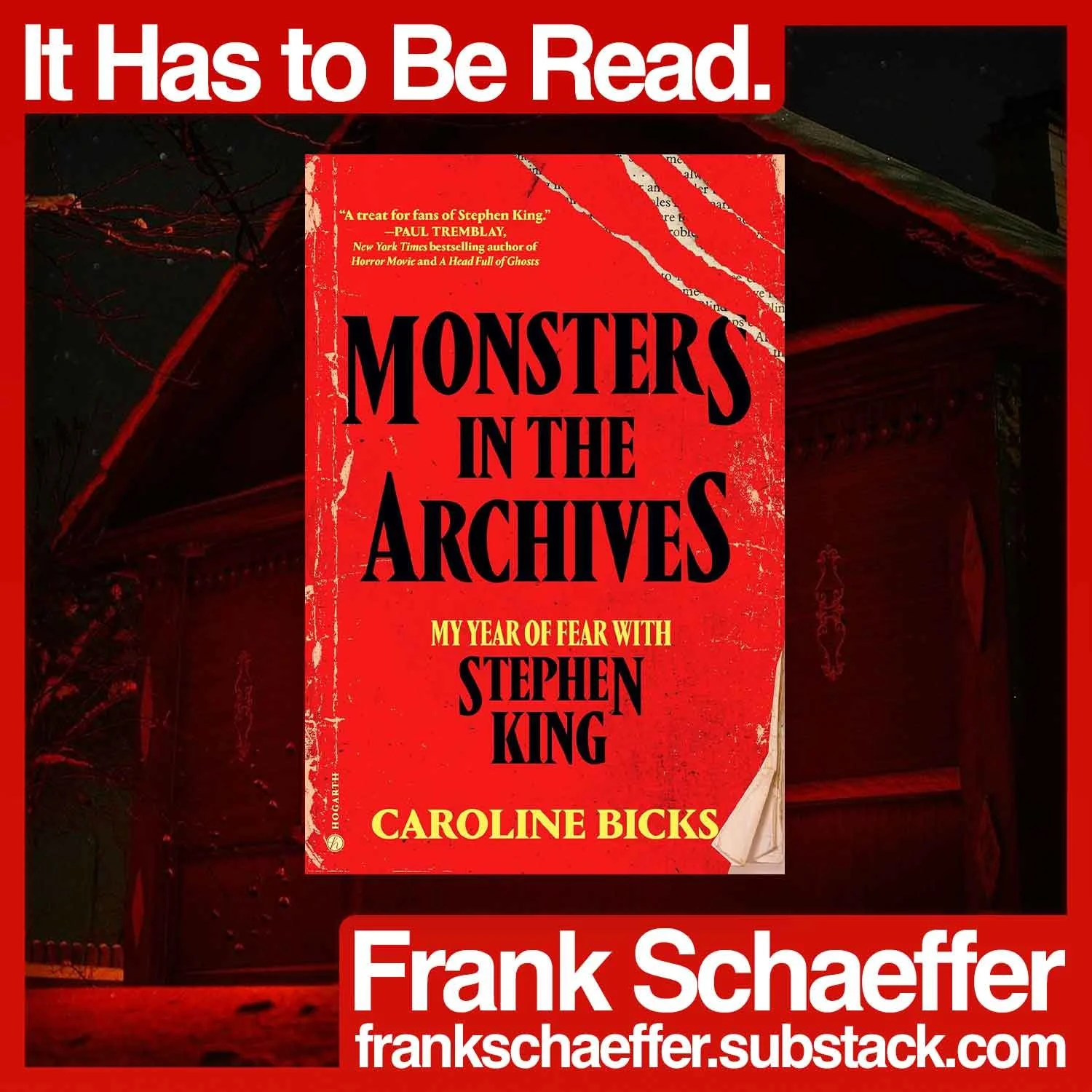
Frank Schaeffer In Conversation with Caroline Bicks, exploring her work and the themes of her book, Monsters in the Archives: My Year of Fear with Stephen King.
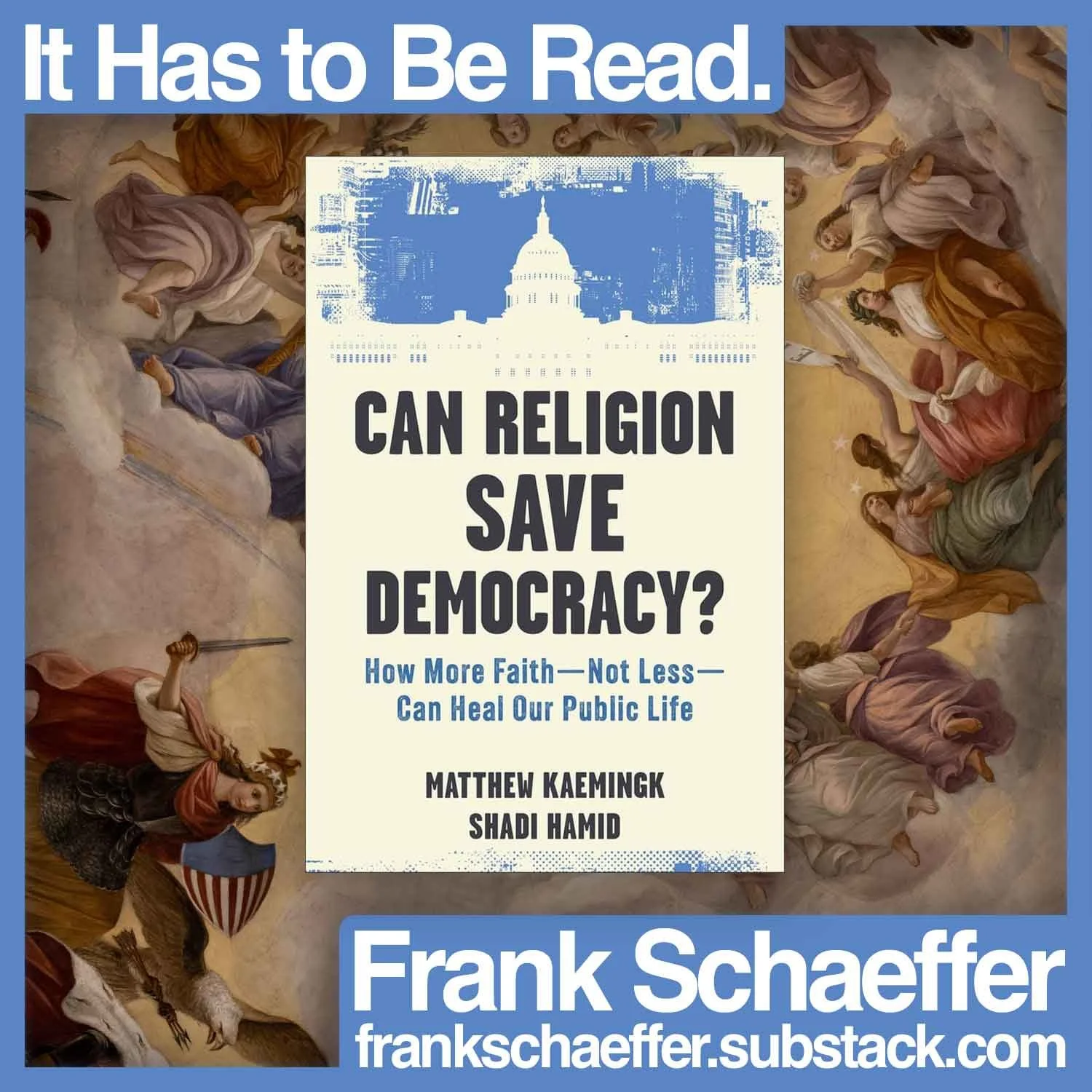
Frank Schaeffer talks with Shadi Hamid about Can Religion Save Democracy?, co-authored with Matthew Kaemingk. They discuss what religious faith can contribute to democracy, why certainty can become dangerous, and how people with profound disagreements might still share a political community.
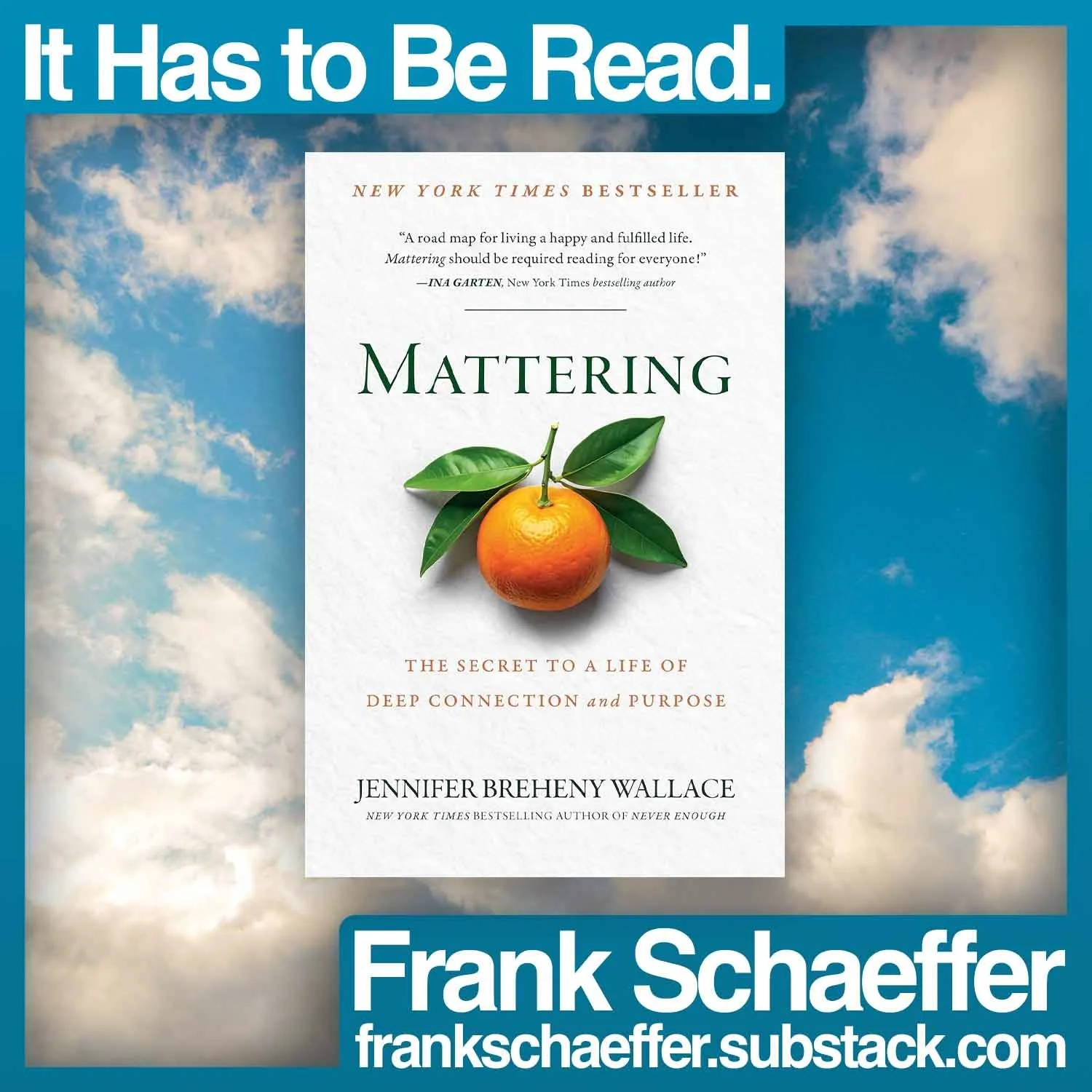
Jennifer Breheny Wallace joins Frank Schaeffer for a conversation about her book Mattering and the human need to feel seen, valued, and needed. They talk about family, parenting, grief, friendship, ambition, technology, AI, and the ordinary ways we can remind another person that they matter.
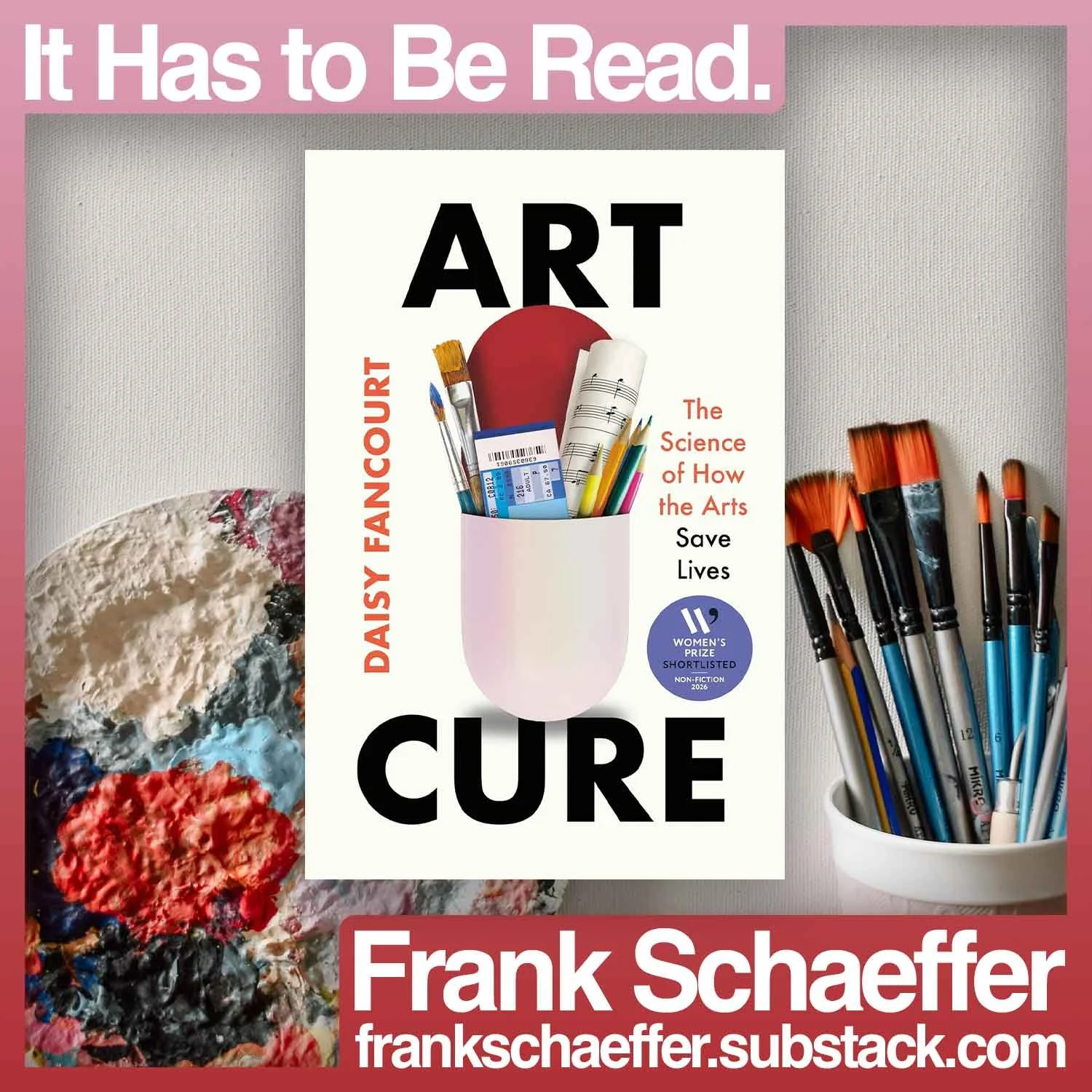
Frank Schaeffer In Conversation with Professor Daisy Fancourt, exploring her life work and the themes of her book, Art Cure: The Science of How the Arts Save Lives.
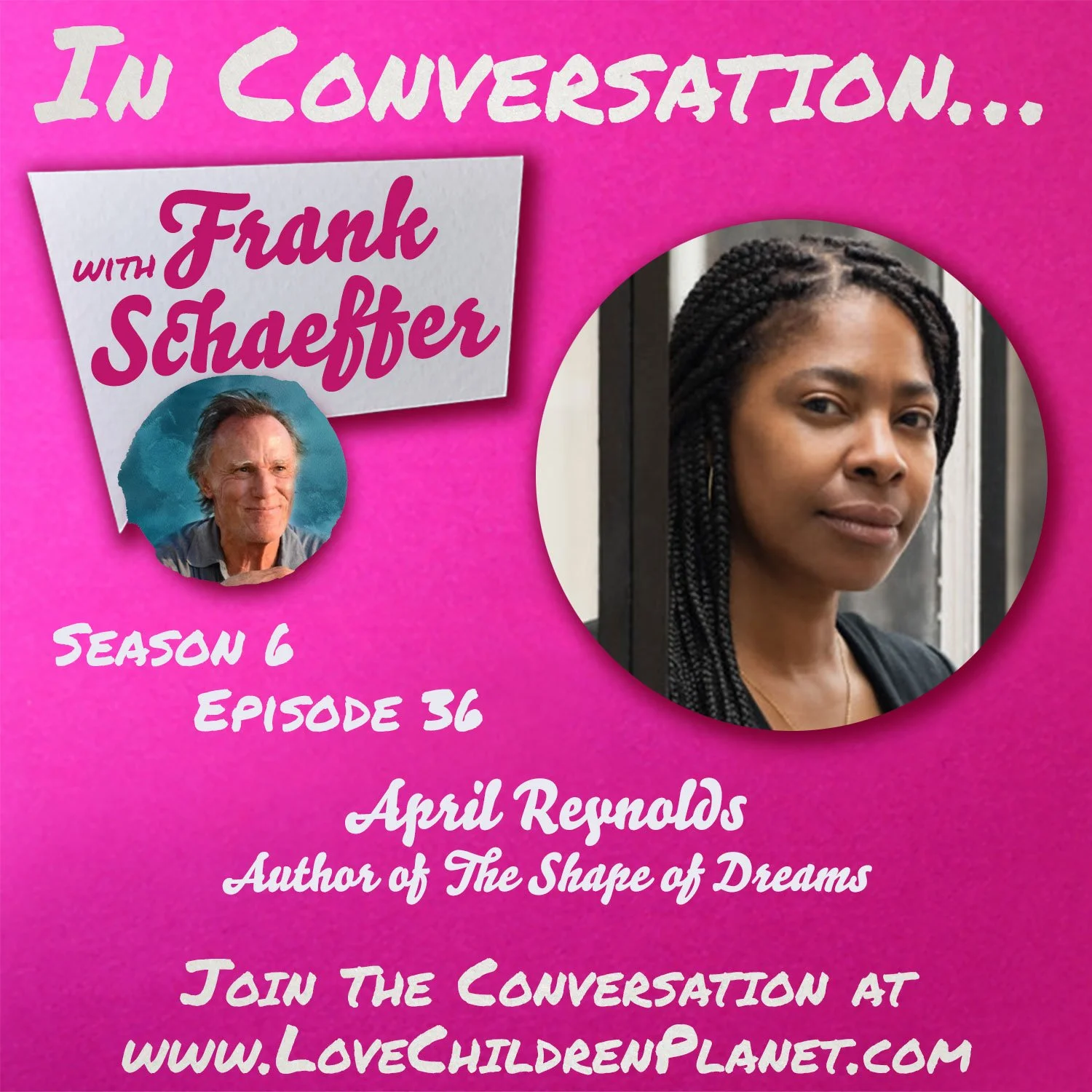
Frank Schaeffer talks with novelist April Reynolds about The Shape of Dreams, her novel set in East Harlem during the crack and AIDS epidemics of the 1980s. Their conversation moves through reading, writing, childhood in South Dallas, the Black church, grief, parenthood, neighborhood life, storytelling, and what it means to recognize the people around us as neighbors.

Richard Bruxvoort Colligan’s Dangerous Songs is about the Psalms, but it is really about being human.
We talk about depression, grief, outrage, gratitude, joy, violence, music, and the temptation to use religion to explain things that cannot be neatly explained.
What I like about Richard’s approach is its lack of sentimentality. The Psalms don’t tell us everything is fine. They tell us other human beings have been frightened, furious, grateful, lonely, joyful, and lost too.
Sometimes that is enough to keep us company.

Frank Schaeffer talks with Dr. Craig Yorke, author of Steep: A Black Neurosurgeon’s Journey, about growing up Black in Boston, the parents who demanded that he succeed, his path through Harvard and medicine, and the long process of understanding what that success cost.
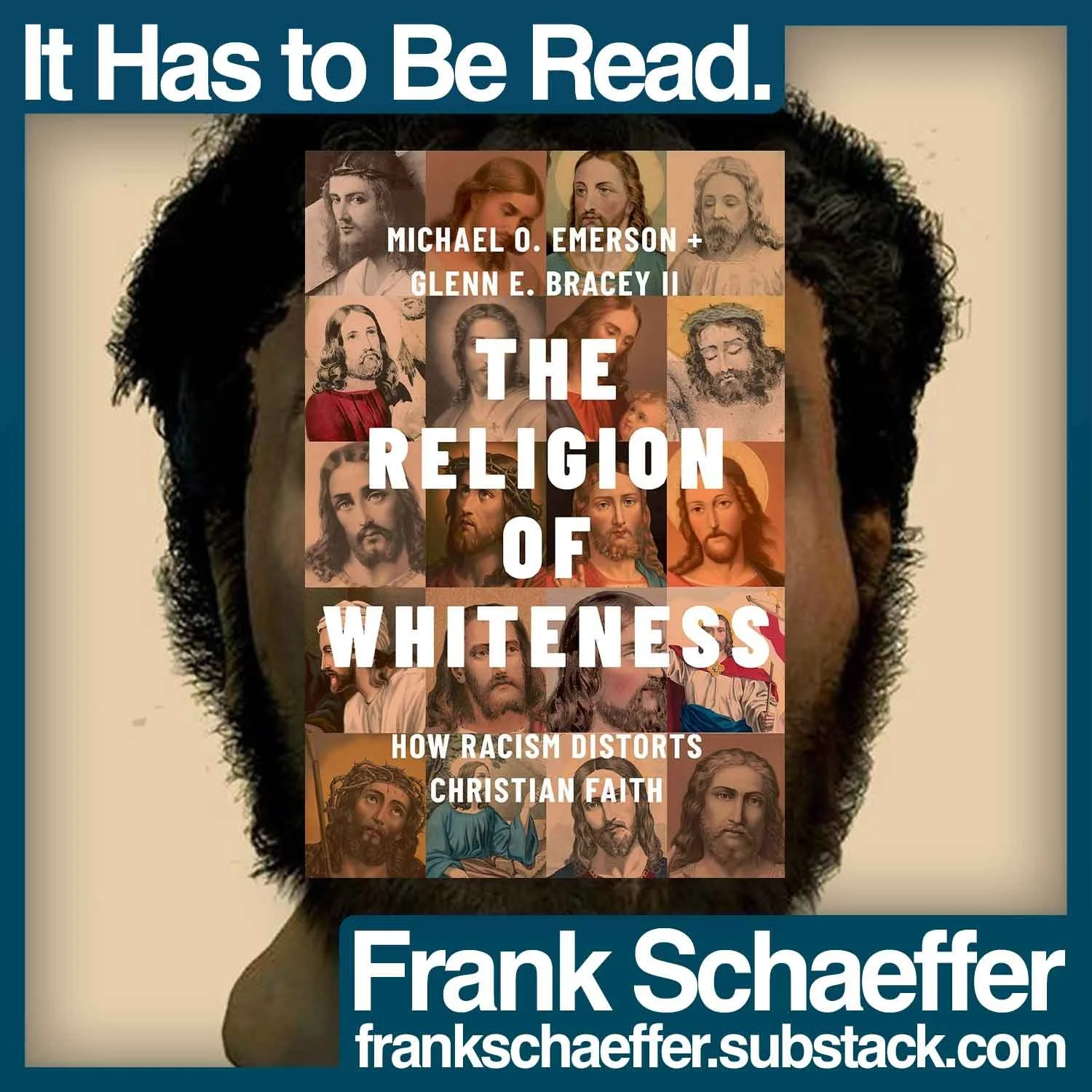
What happens when race becomes more than a social category and begins functioning like a religion?
Frank Schaeffer talks with sociologists Michael O. Emerson and Glenn Bracey II, authors of The Religion of Whiteness: How Racism Distorts Christian Faith.
Their research examines the painful distance between Christianity’s language of family, reconciliation, and love and the experiences of Christians of color inside American churches. The conversation ranges from multiracial congregations and the legacy of slavery to Christian nationalism, MAGA politics, opportunity hoarding, and the possibility of change.
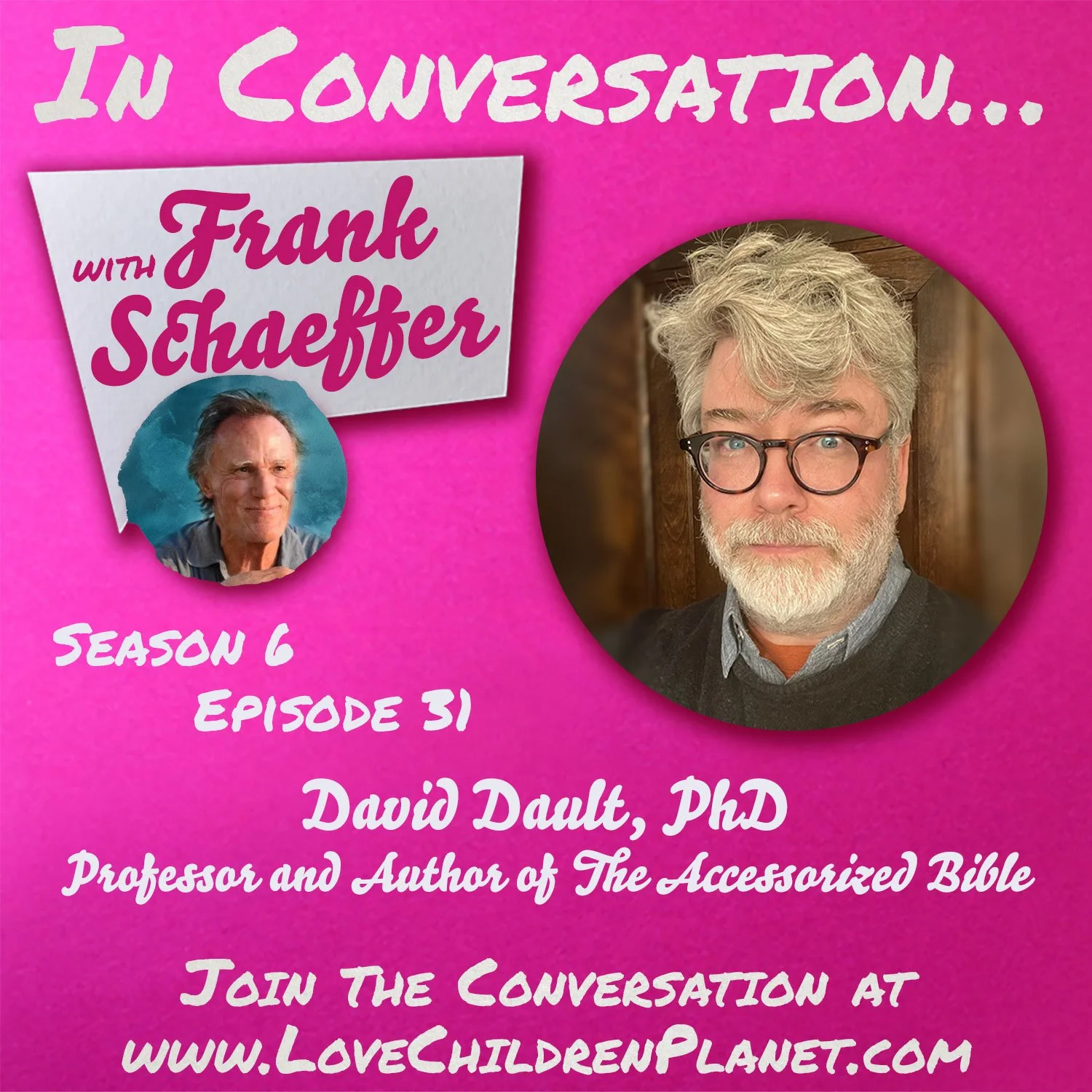
Frank Schaeffer welcomes David Dault for a thoughtful discussion of The Accessorized Bible. Together they explore how Scripture can inspire compassion or be used to justify violence, and why genuine faith begins with responsibility toward other people.
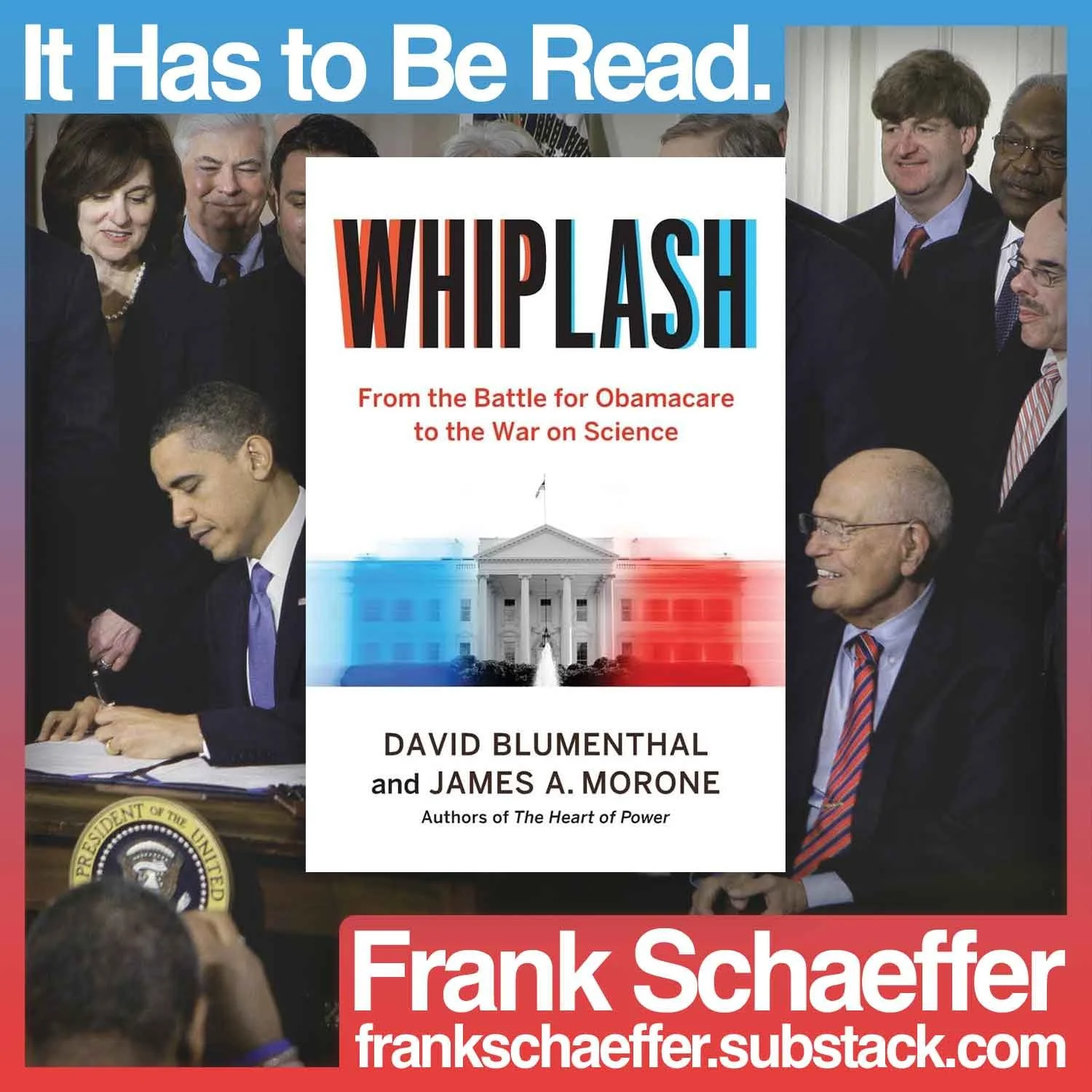
Frank Schaeffer speaks with David Blumenthal and James Morone about their book Whiplash, exploring the Affordable Care Act, the pandemic, Operation Warp Speed, misinformation, public trust, and why health policy has become one of America’s deepest political divides.
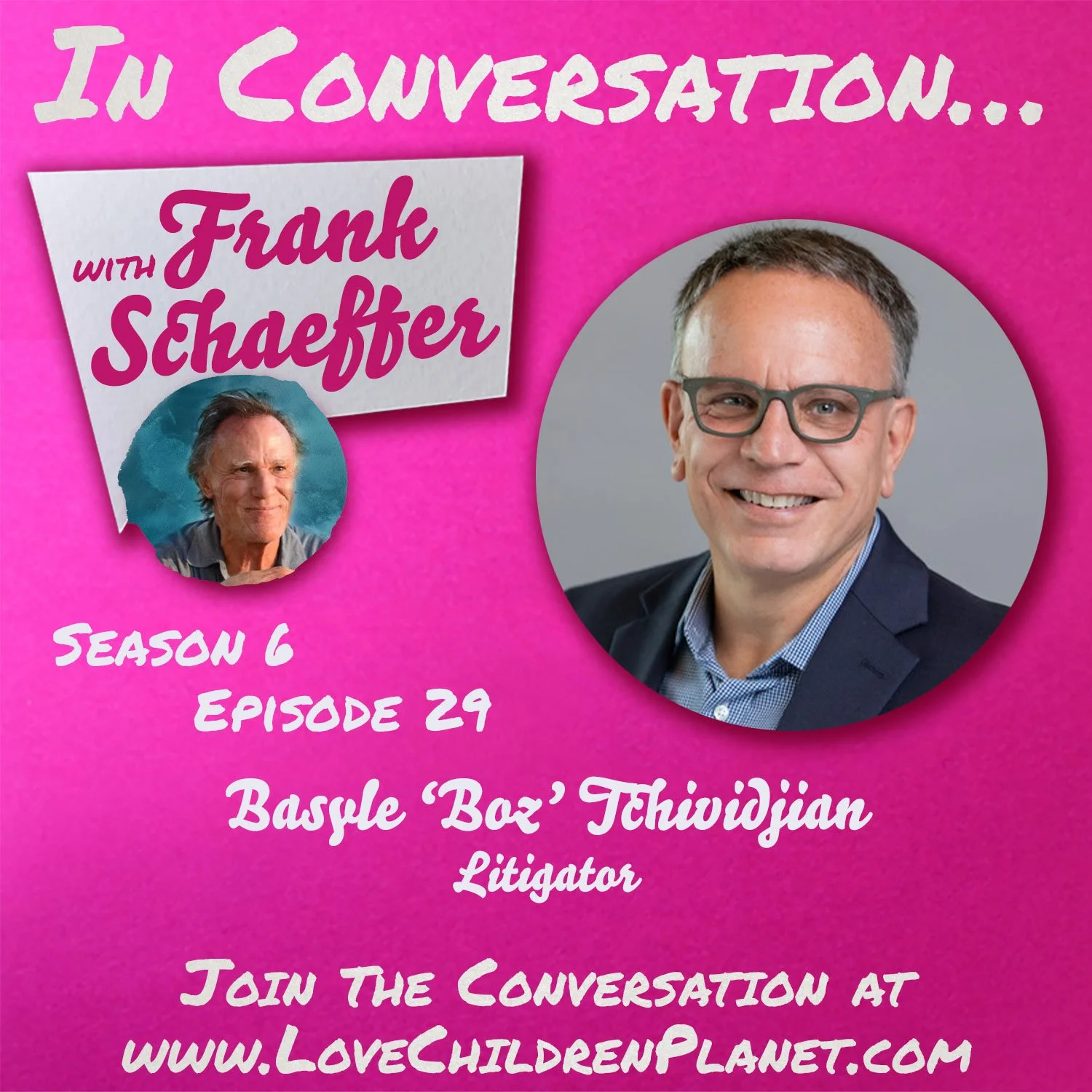
Attorney Boz Tchividjian joins Frank Schaeffer for a thoughtful conversation about abuse inside evangelical institutions, the misuse of spiritual authority, and the importance of accountability. Drawing on decades of legal work representing survivors, Boz reflects on healing, justice, and the responsibility churches have when trust is broken.
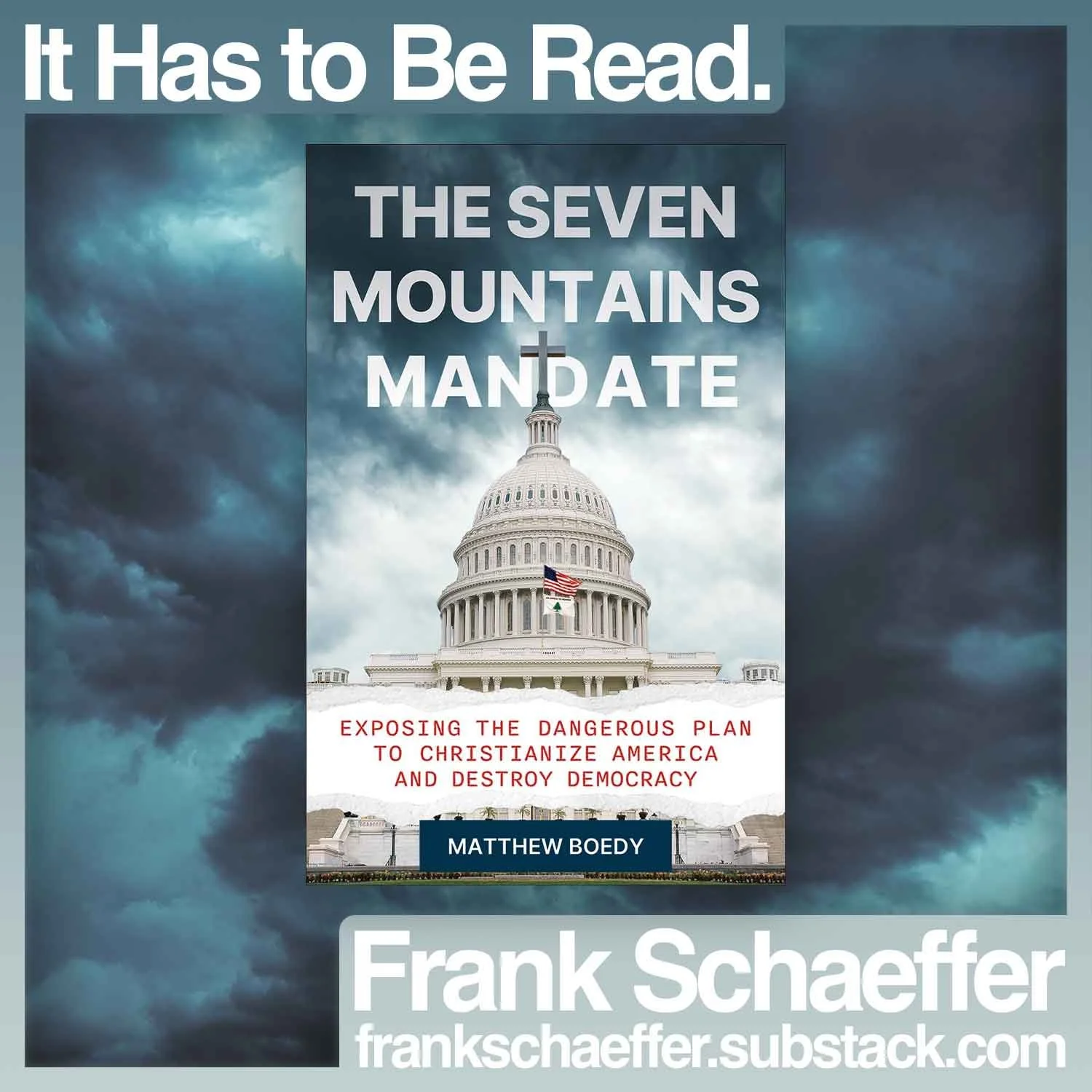
Frank Schaeffer talks with Matthew Boedy about The Seven Mountains Mandate, Christian nationalism, the Religious Right, and the future of American democracy.
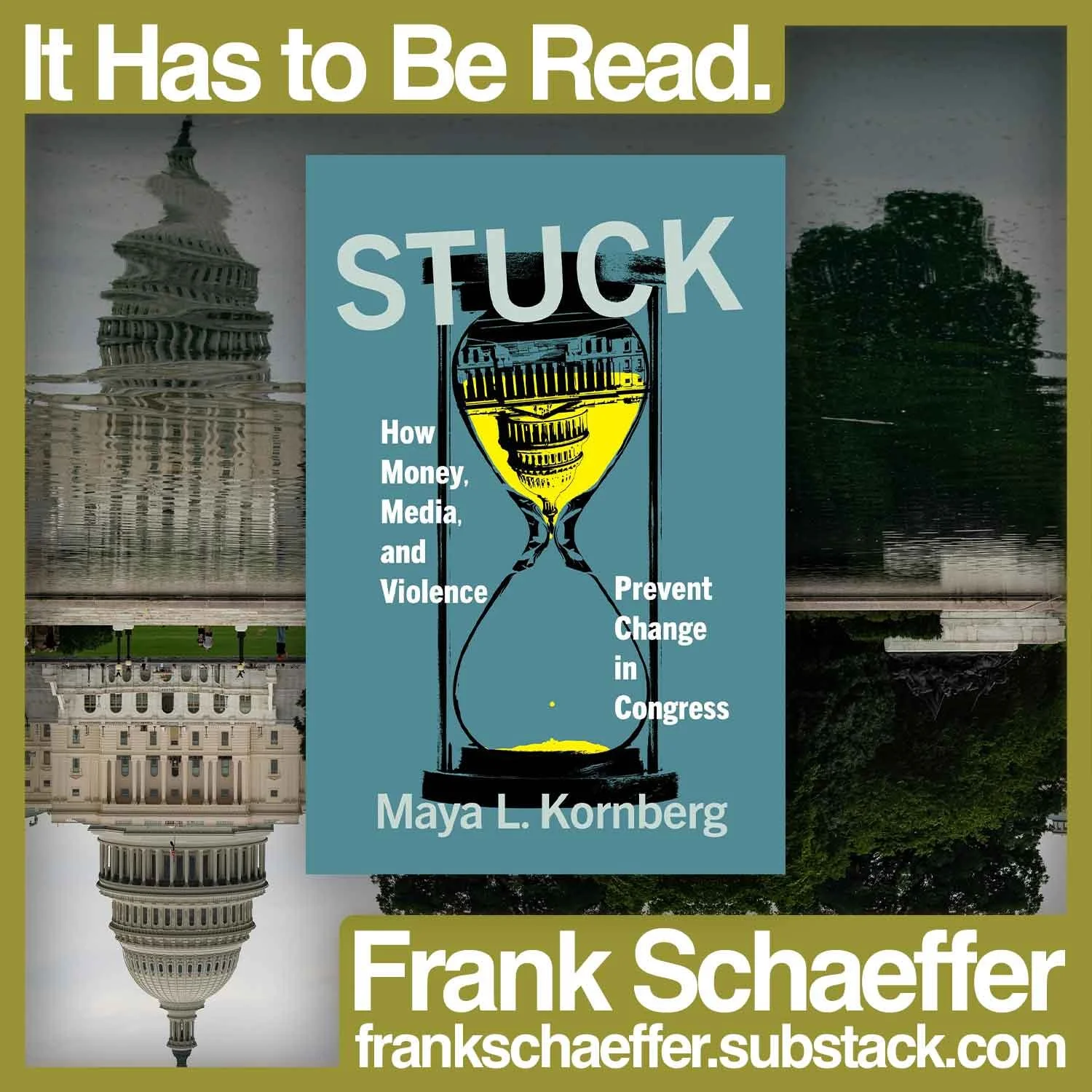
Frank Schaeffer speaks with Maya Kornberg about Stuck, her book on how money, media, violence, and institutional neglect prevent real change in Congress.
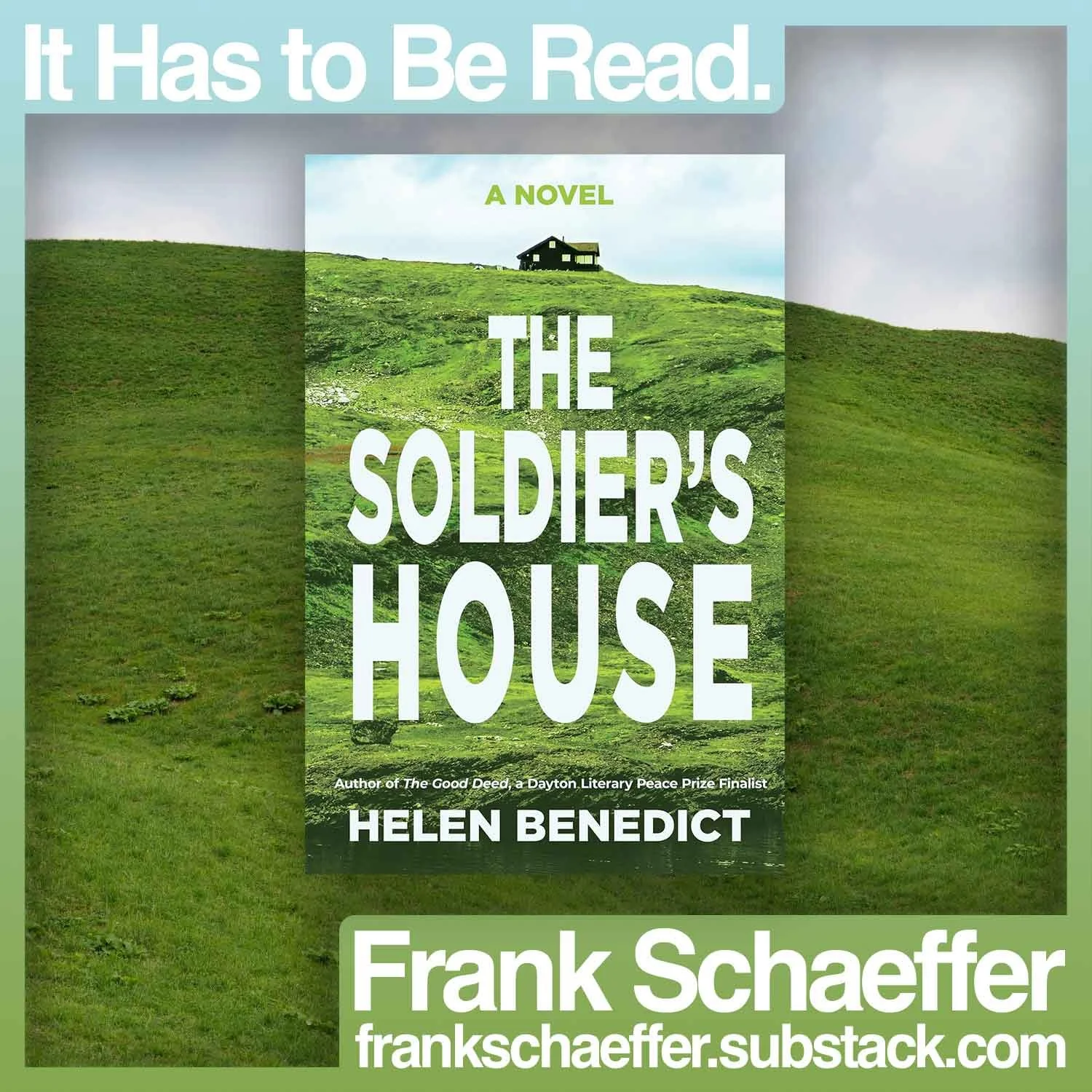
Frank Schaeffer talks with novelist and journalist Helen Benedict about Iraq, refugees, military trauma, and the stories Americans avoid hearing.
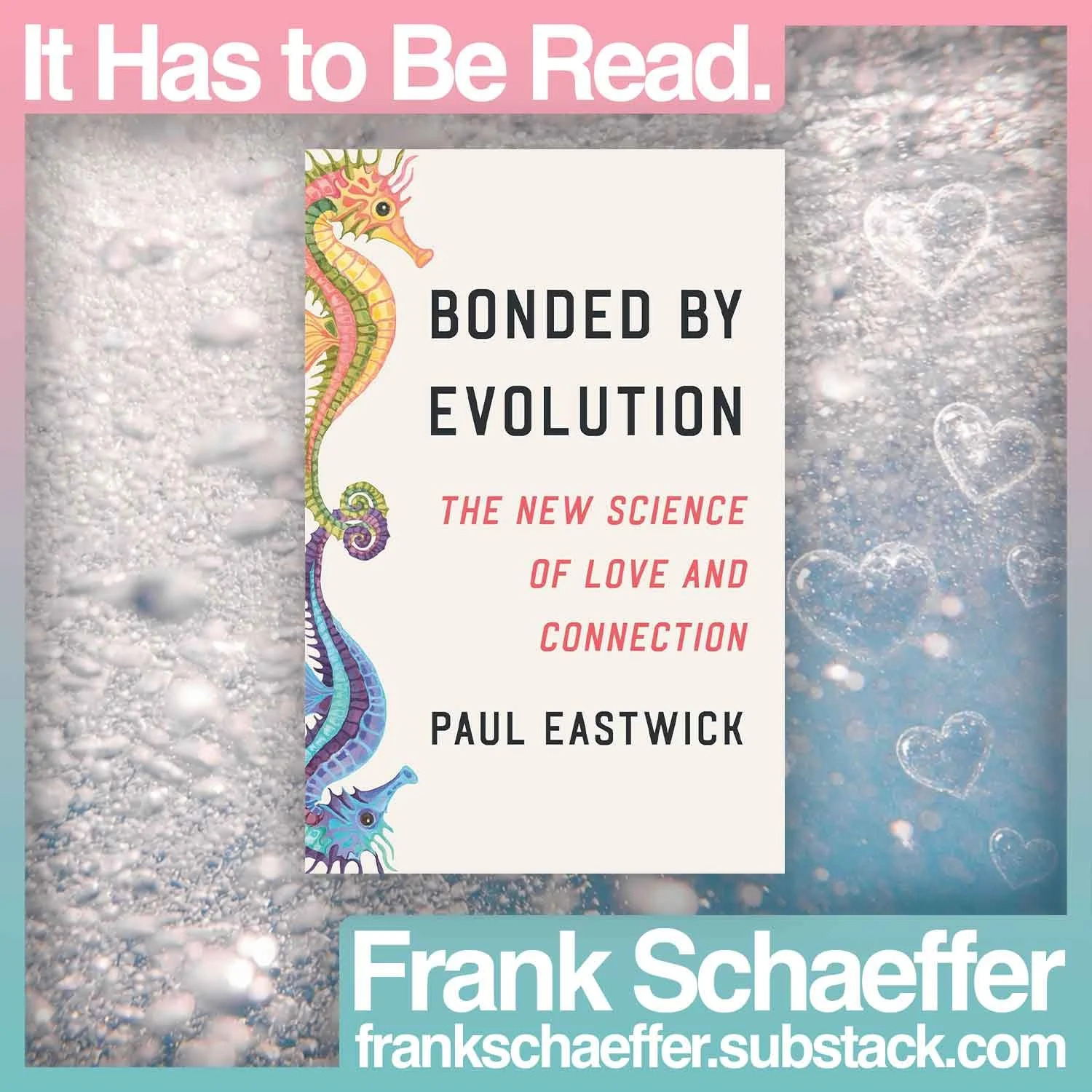
Paul Eastwick joins Frank Schaeffer for a Conversation about attachment, companionship, masculinity, and the science of long-term connection.
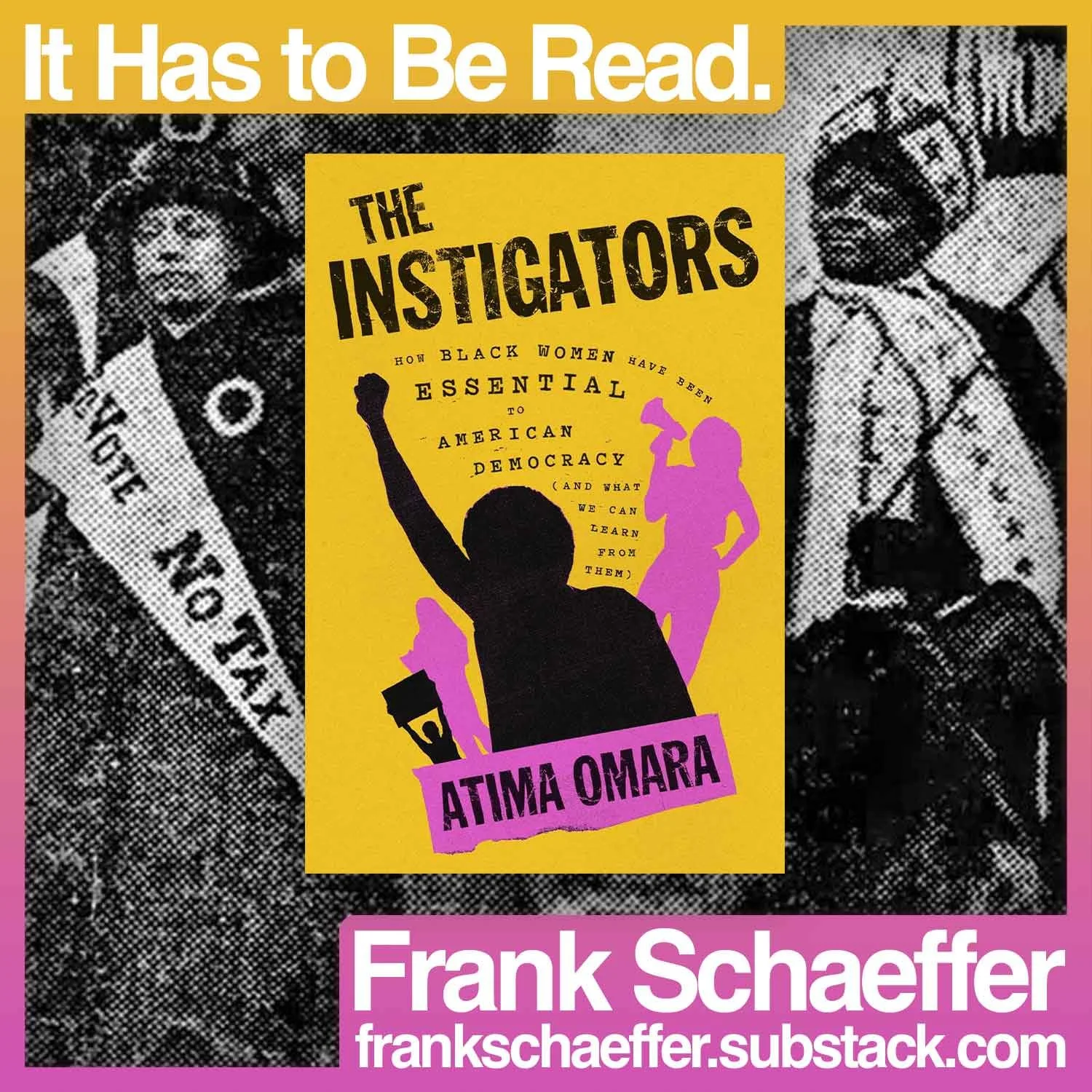
Frank Schaeffer talks with political strategist and author Atima Omara about democracy, race, religion, and the failures of the Democratic Party.
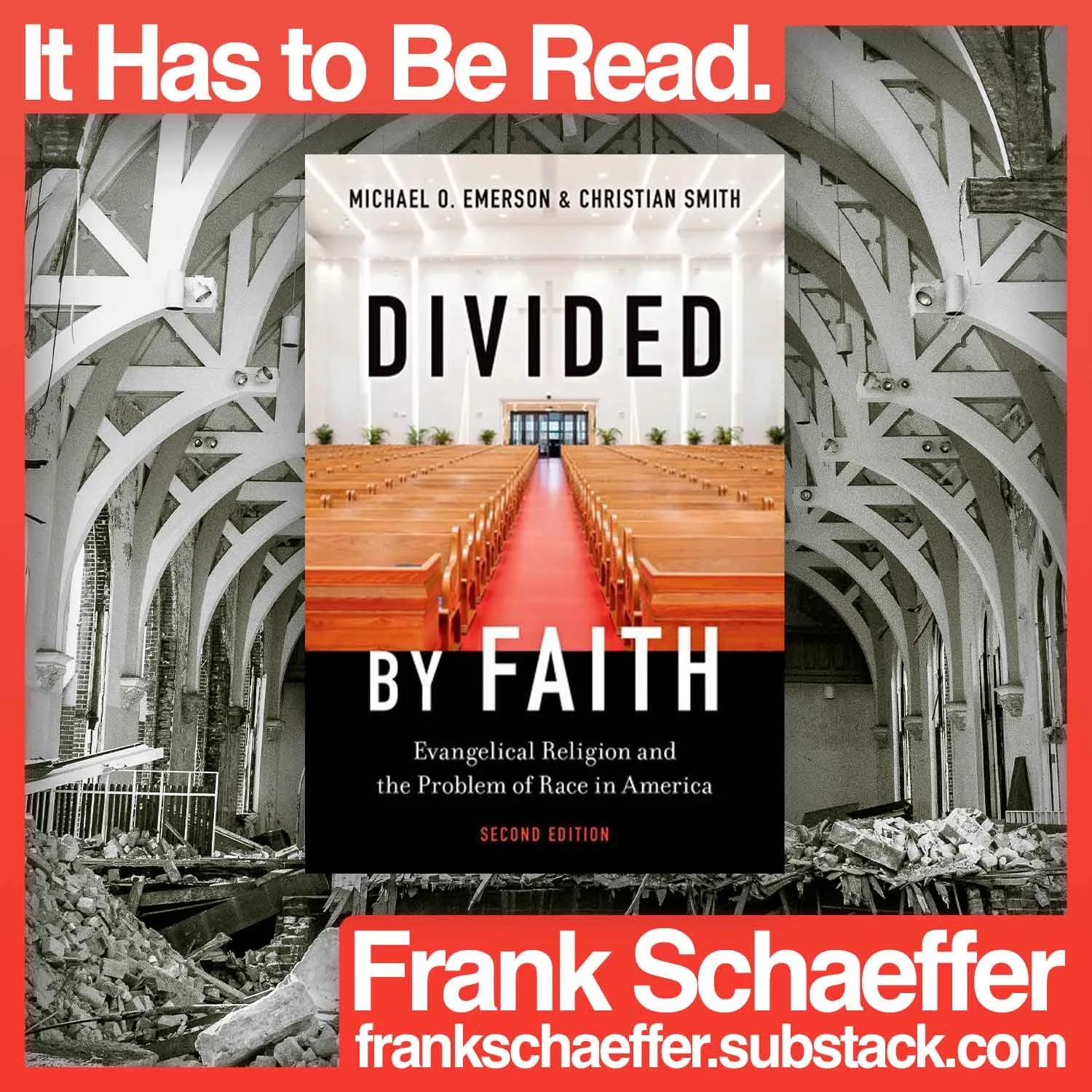
Michael O. Emerson joins Frank Schaeffer to talk about race, segregation, Christian nationalism, and the unfinished story behind Divided by Faith.
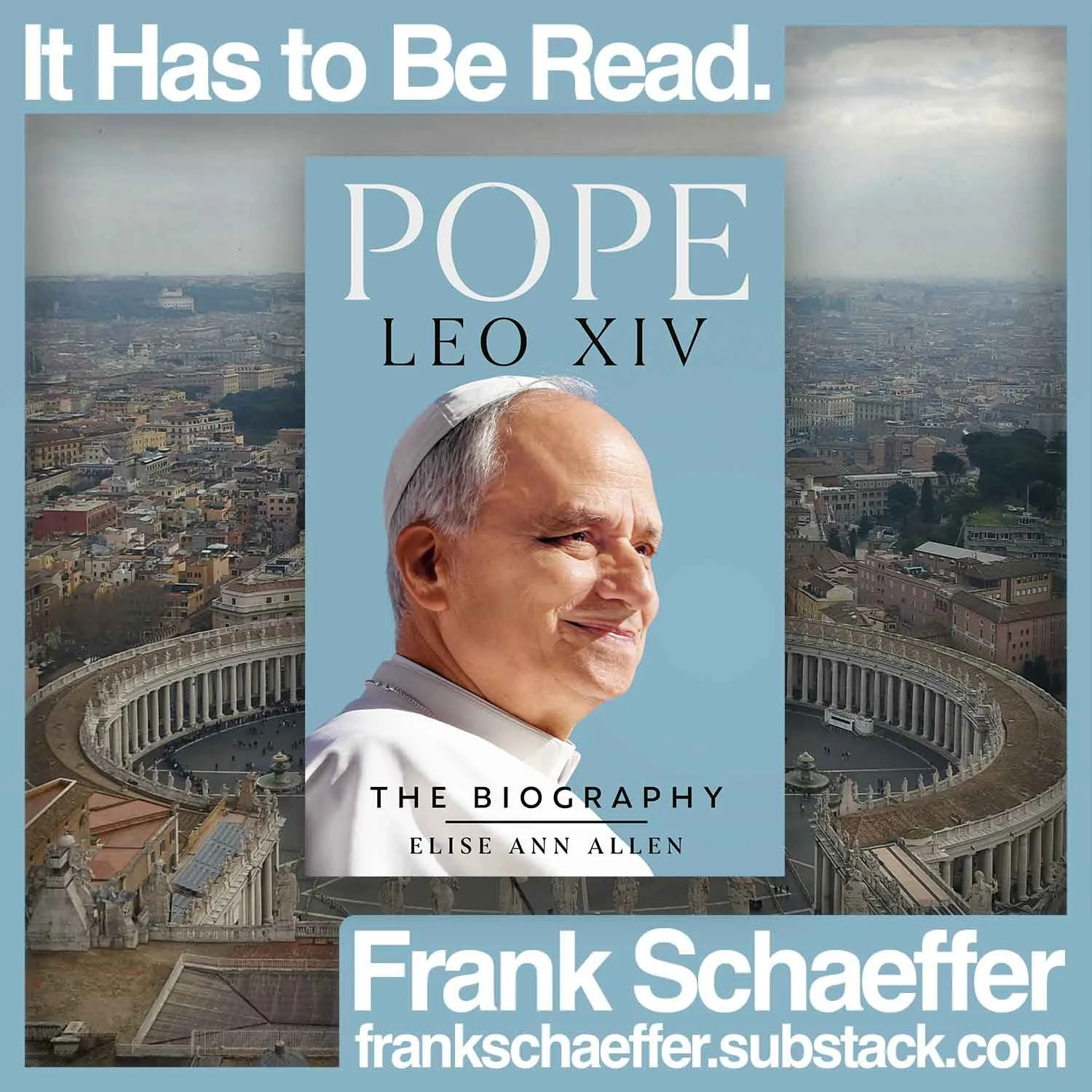
Elise Ann Allen talks with Frank Schaeffer about Pope Leo XIV, moral leadership, friendship, and what it means to remain human.

I was there. I knew a lot of the people Keri is writing about, worked with them, lived with some of them, and was part of the rise of the religious right. And I’ve been writing about and saying these things for the last 40 years since I left, especially about how the secular media totally ignored it and underestimated it. They were more comfortable talking about economic policy than religious motivation. And there seemed to be an absolute misunderstanding of the power of the movement. Everyone thought it was too fringe to warrant serious attention.

Jonathan Tepper and Frank Schaeffer Discuss What Happens When Suffering Opens Us Instead of Hardening Us.

I haven’t been this struck or fallen in love this fast with a book in my life. I started reading it to my wife and couldn’t stop.
I don’t usually react to books this way. I picked this one up, got a few pages in, and went upstairs to get my wife so I could read it to her. I thought I’d read a page or two. I ended up reading fifty or sixty pages out loud before we had to get on with the day. I’ve never done that before with any book connected to this podcast.
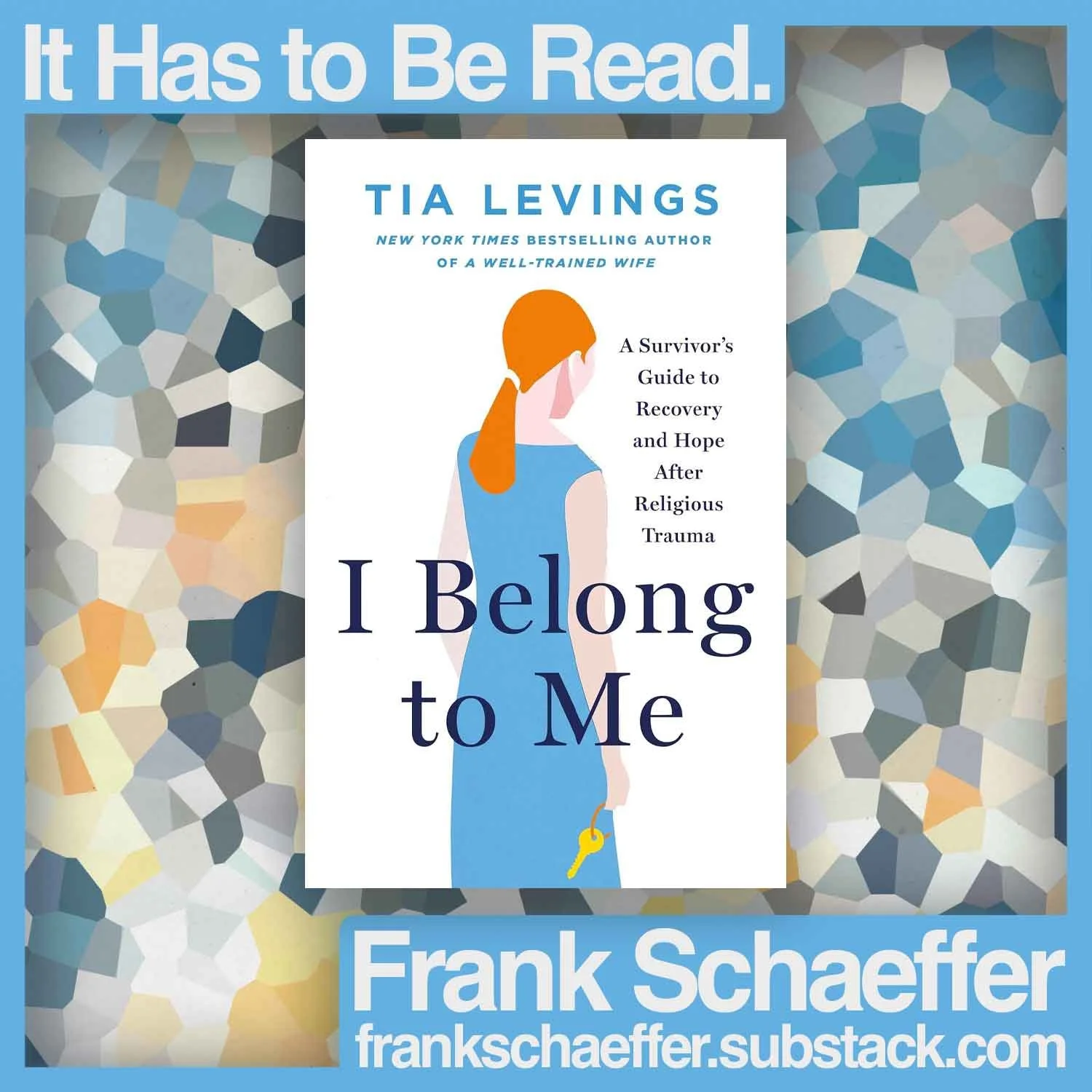
I talked with Tia Levings about what it’s like to come out of a world that shaped you completely and what happens after you leave; not just the belief system, but the habits, the fears, the voice in your head that doesn’t feel like yours.
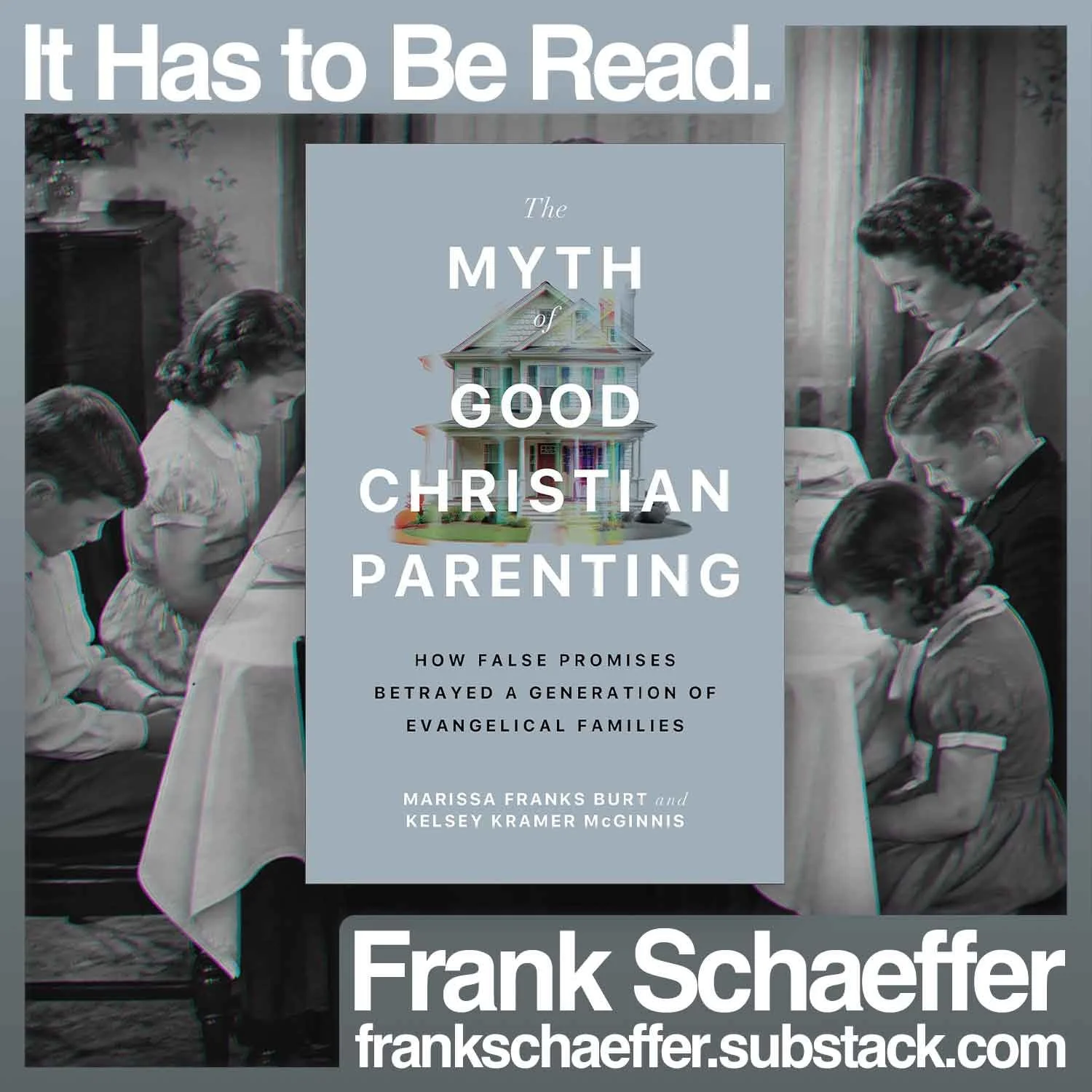
A conversation with Marissa Franks Burt and Kelsey Kramer McGinnis about evangelical parenting, fear, power, and repair.
This conversation is personal for me. I knew many of the people behind the world Marissa Franks Burt and Kelsey Kramer McGinnis write about in The Myth of Good Christian Parenting. I helped build some of that world. I also had to leave it.
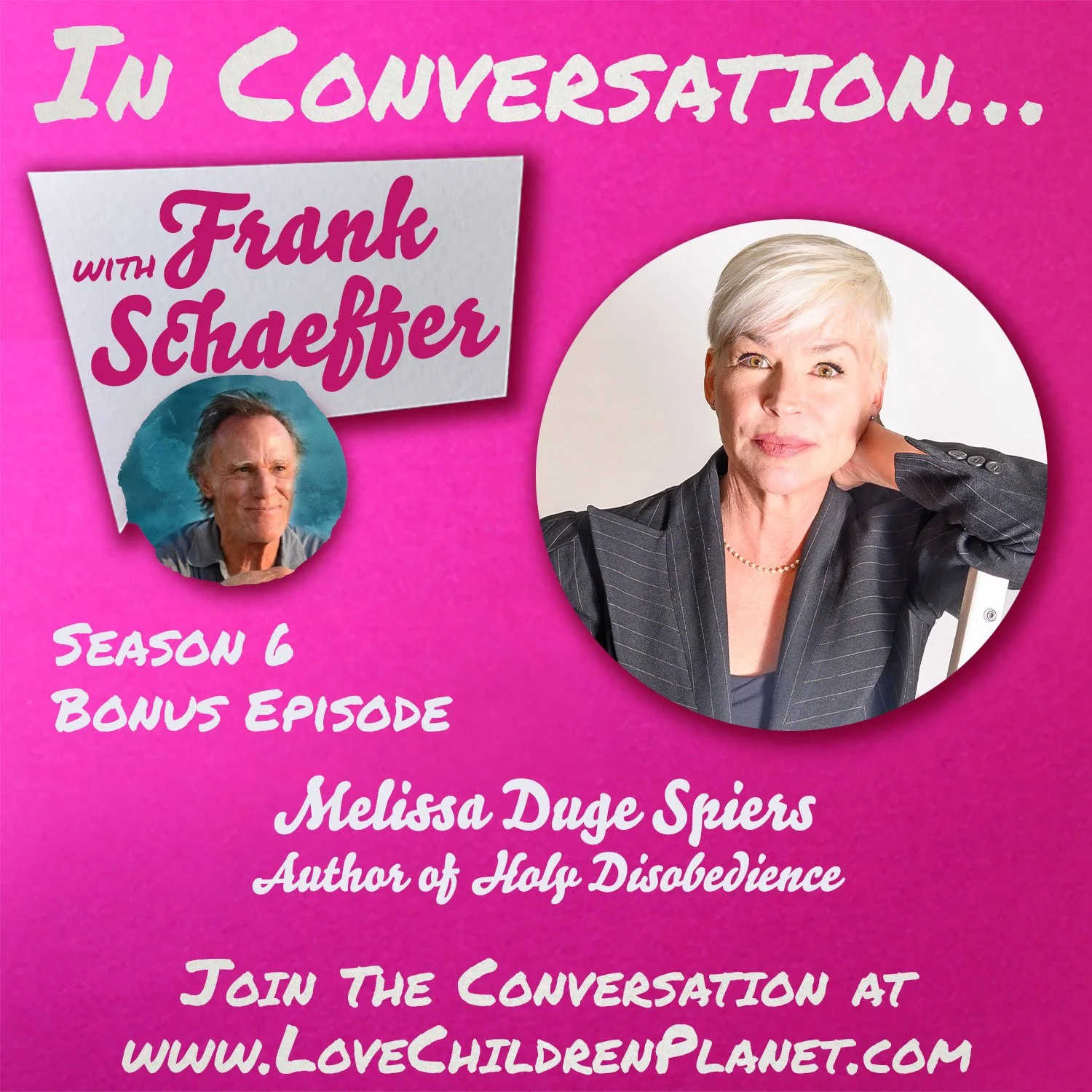
Melissa Duge Spiers joins me to talk about growing up in a high-control religious system and what it does to a person over time. We discuss the lasting impact on the body, relationships, and identity, along with the role of repression, especially around sexuality. This conversation looks at how experiences like this don’t stay private, but shape the wider culture as well.
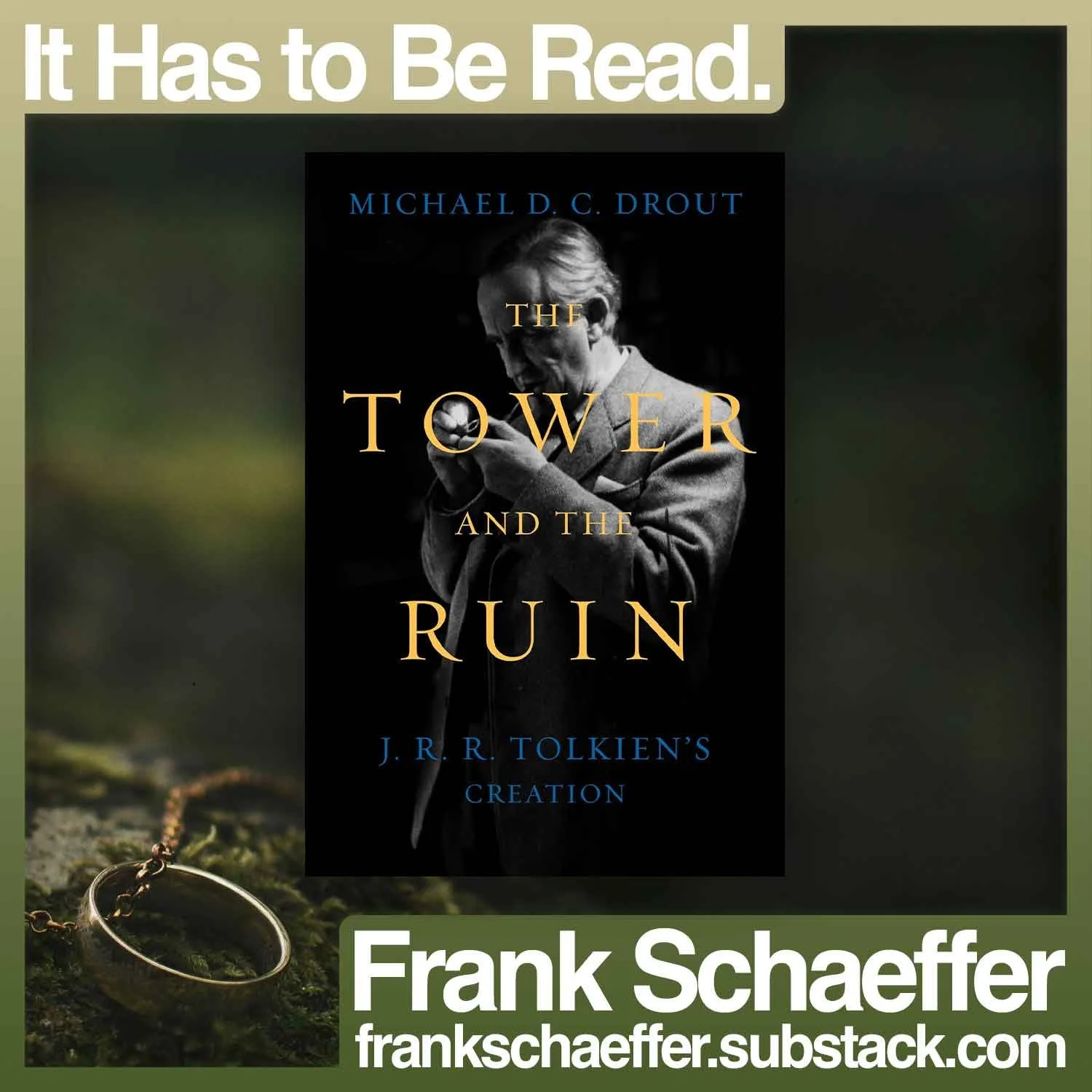
Michael D.C. Drout and I ended up talking about why some books don’t leave you alone. Not because they make you feel better, but because they tell you the truth. Tolkien does that. He doesn’t smooth things over. He doesn’t give you a neat ending. He shows you what it costs
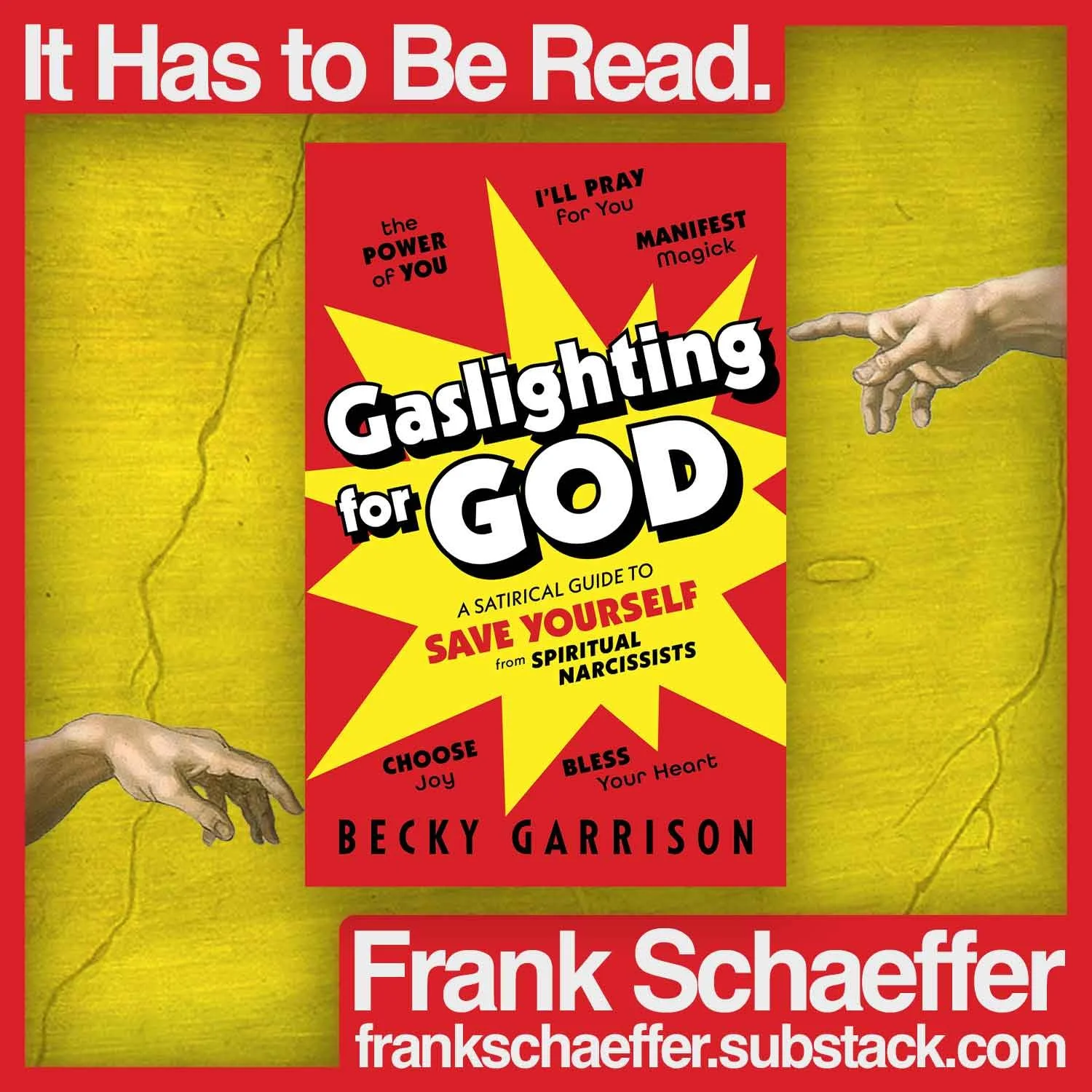
Becky is back for the the third time and we discuss economic insecurity, media collapse, masculinity, and the rise of charismatic leaders, moving through religion, power, and the growing divide between men and women.
At the center of it all is a difficult question: how does a society lose its way, and can we find it again?
I was there. I knew a lot of the people Keri is writing about, worked with them, lived with some of them, and was part of the rise of the religious right. And I’ve been writing about and saying these things for the last 40 years since I left, especially about how the secular media totally ignored it and underestimated it. They were more comfortable talking about economic policy than religious motivation. And there seemed to be an absolute misunderstanding of the power of the movement. Everyone thought it was too fringe to warrant serious attention.

Frank Schaeffer talks with Matthew Davis about Mount Rushmore, the Lakota, and why America struggles to face its own history honestly.
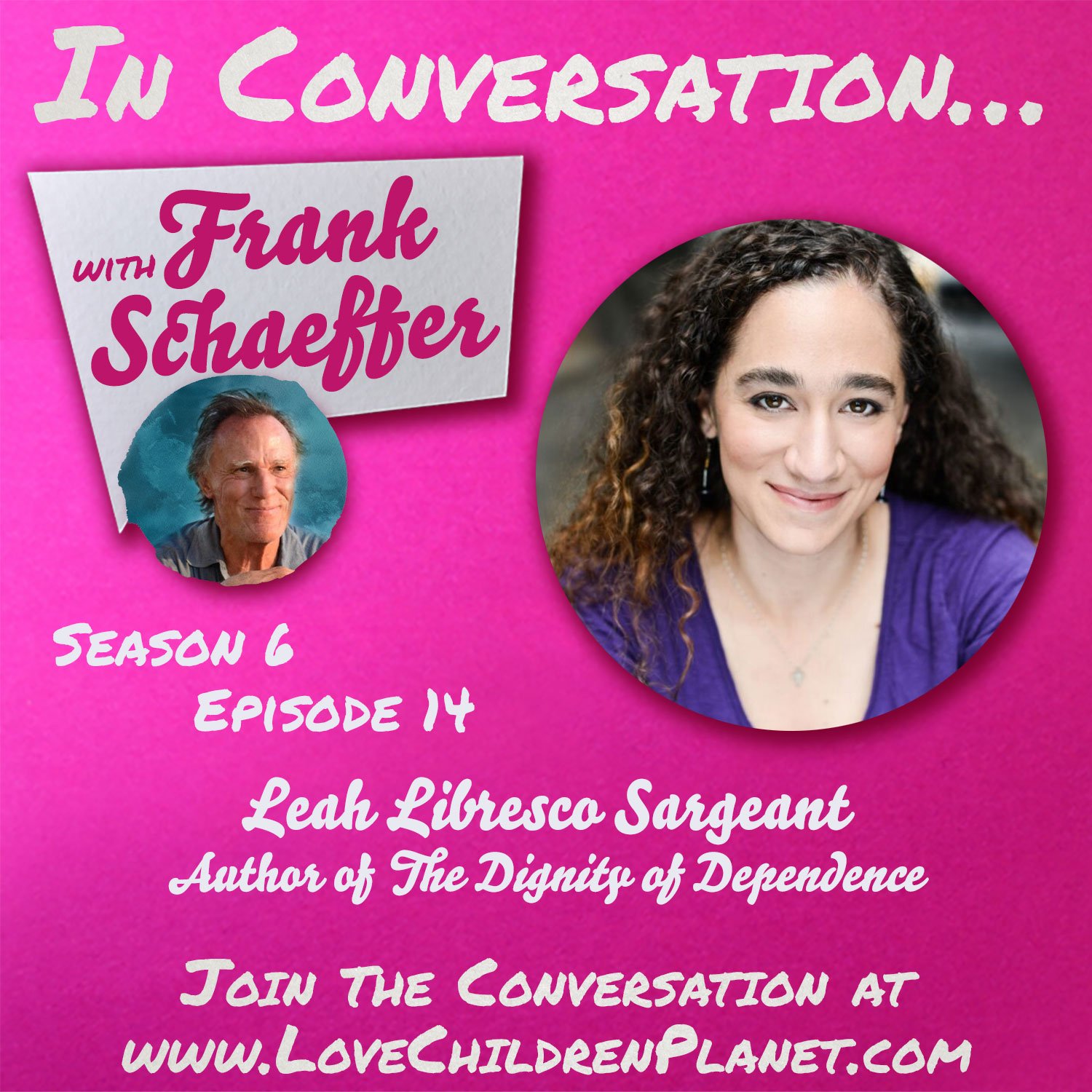
In this episode, Frank Schaeffer speaks with Leah Libresco Sargeant about her book The Dignity of Dependence.
They explore the cultural pressure to be independent and the reality that human life is built on care, responsibility, and connection.
From women’s experiences of the body to broader questions about family, politics, and faith, this conversation looks at what it means to live honestly in a world that values autonomy over relationship.

Directed by Mike Sheridan, Amplified explores the profound influence of American culture and politics on the global discourse, particularly in Ireland. The film investigates the origins of harmful rhetoric and conspiracy theories, highlighting how misinformation and disinformation spread and can lead to violence. Amplified culminates in the explosive Dublin riots in November 2023, which caused millions of euros in damage and made headlines worldwide.
Sending cash to parents, with few strings attached. Expanding Medicaid. Providing child care subsidies to families earning six figures.